









OLMDR
Company Details
Linkedin ID:
omni-la-mansion-del-rio
Employees number:
50
Number of followers:
1,224
NAICS:
7211
Industry Type:
Homepage:
omnihotels.com
IP Addresses:
0
Company ID:
OMN_1958756
Scan Status:
In-progress


Omni La Mansión del Rio Vendor Cyber Rating & Cyber Score
omnihotels.comThe Omni La Mansion del Rio is ideally nestled along the historic Riverwalk among the banks of the Paseo del Rio in downtown San Antonio. It is within easy walking distance of the famous Alamo, El Mercado, La Villita District, Spanish governor’s Palace, San Antonio Convention Center and other well-known landmarks. Omni La Mansion del Rio’s associates enjoy a dynamic and exciting work environment, comprehensive training and mentoring, along with the pride that comes from working for a company with a reputation for exceptional service. We embody a culture of respect, gratitude and empowerment day in and day out. If you are a friendly, motivated person, with a passion to serve others, the Omni La Mansion del Rio may be your perfect match.
Company Details
omni-la-mansion-del-rio
50
1,224
7211
omnihotels.com
0
OMN_1958756
In-progress
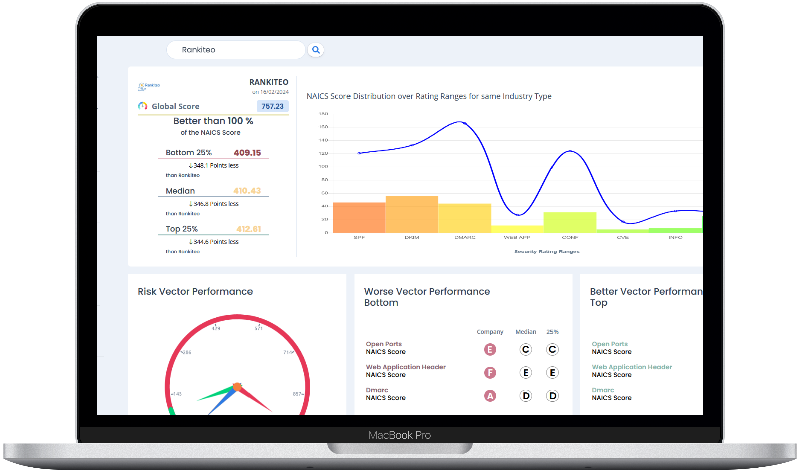
 OLMDR Risk Score (AI oriented)
Between 750 and 799
 OLMDR Global Score (TPRM)
XXXX
Description: Hiring Platform Foh&Boh Exposes 5.4 Million Job Seekers’ Resumes in Unsecured AWS Bucket A major data exposure incident has left the personal details of millions of job seekers vulnerable after U.S.-based hiring platform Foh&Boh accidentally left an AWS S3 bucket unsecured, containing 5.4 million files, primarily CVs and resumes. The breach, discovered by the Cybernews research team, exposed sensitive applicant information including work history, contact details, and personal identifiers making individuals susceptible to targeted phishing, identity theft, and financial fraud. Foh&Boh, which serves high-profile clients such as Taco Bell, KFC, Nordstrom, Omni Hotels & Resorts, and Hyatt Grand, failed to restrict public access to the storage bucket. While the dataset was later secured following multiple contact attempts by researchers, the exposure raises concerns about unauthorized access by malicious actors. Attackers could exploit the leaked data to craft highly personalized phishing emails, impersonate past employers, or launch scams targeting financially vulnerable individuals. The breach also heightens risks of identity theft, with cybercriminals potentially using the stolen details to open fraudulent bank accounts or apply for credit under victims’ names. Researchers warned that the incident could lead to synthetic identity fraud, where attackers combine real and fabricated information to create new, fraudulent identities. This follows another recent breach involving Luxshare, a key Apple supplier, where a ransomware cartel allegedly stole confidential data from Apple, Nvidia, and LG, threatening to leak it unless demands were met. The Foh&Boh incident underscores the persistent risks of misconfigured cloud storage, a common yet preventable security failure. No official statement from Foh&Boh has been released at this time.
Description: Millions of Job Seekers’ Resumes Exposed in Foh&Boh Data Breach A major data exposure incident involving Foh&Boh, a U.S.-based hiring and onboarding platform for restaurants, hotels, and retailers, has left 5.4 million files primarily CVs and resumes publicly accessible via an unsecured AWS bucket. The breach, discovered by the Cybernews research team, exposed sensitive personal details that job applicants typically share with employers, including work history, contact information, and professional references. The platform serves high-profile clients such as Taco Bell, KFC, Omni Hotels & Resorts, Nordstrom, and Hyatt Grand, raising concerns about the potential misuse of the leaked data. While the dataset was secured after multiple attempts to contact Foh&Boh, the exposure could have enabled targeted phishing attacks, identity theft, and financial fraud. Researchers warned that cybercriminals could exploit the stolen information to craft highly personalized phishing emails, referencing specific job details or career interests to deceive victims. The data could also be weaponized for synthetic identity fraud, allowing attackers to open fraudulent bank accounts or apply for credit under victims’ names. Additionally, scammers might target financially vulnerable individuals with "get-rich-quick" schemes or impersonate past employers to extract further sensitive information. The incident underscores the risks of misconfigured cloud storage, with experts recommending stricter access controls, encryption, and retrospective log reviews to prevent unauthorized access. While the bucket is no longer publicly accessible, the long-term impact on affected job seekers remains unclear.
Description: In 2024, Omni Hotels fell victim to a targeted cyberattack that severely disrupted its core operations. The breach compromised the hotel chain’s reservation and check-in systems, rendering room key card functionality inoperable and crippling payment processing across multiple locations. Guests experienced prolonged delays, denied access to rooms, and financial transaction failures, leading to widespread frustration and reputational damage. The attack exploited vulnerabilities in the hotel’s interconnected building management systems (BMS), which govern critical infrastructure like HVAC, security, and access control. Investigations suggested the intruders leveraged outdated software or weak authentication protocols common in legacy BMS environments to gain unauthorized access. While no immediate physical harm was reported, the operational paralysis threatened guest safety protocols (e.g., fire alarms, emergency exits) and exposed sensitive customer data during the payment outage. The incident forced Omni to implement emergency manual overrides, incur significant recovery costs, and face potential legal liabilities from affected guests. Insurers scrutinized the hotel’s cybersecurity posture, complicating claims for business interruption losses. The attack underscored the risks of unpatched smart building technologies, where operational convenience intersects with high-stakes cyber threats.
Description: The California Office of the Attorney General reported on July 8, 2016, a data breach involving Omni Hotels & Resorts that began on December 23, 2015. The incident involved a malware intrusion affecting point of sale systems, potentially compromising payment card information, including cardholder name, credit/debit card number, security code, and expiration date.


No incidents recorded for Omni La Mansión del Rio in 2026.
No incidents recorded for Omni La Mansión del Rio in 2026.
No incidents recorded for Omni La Mansión del Rio in 2026.
OLMDR cyber incidents detection timeline including parent company and subsidiaries

The Omni La Mansion del Rio is ideally nestled along the historic Riverwalk among the banks of the Paseo del Rio in downtown San Antonio. It is within easy walking distance of the famous Alamo, El Mercado, La Villita District, Spanish governor’s Palace, San Antonio Convention Center and other well-known landmarks. Omni La Mansion del Rio’s associates enjoy a dynamic and exciting work environment, comprehensive training and mentoring, along with the pride that comes from working for a company with a reputation for exceptional service. We embody a culture of respect, gratitude and empowerment day in and day out. If you are a friendly, motivated person, with a passion to serve others, the Omni La Mansion del Rio may be your perfect match.


Welcome to Meliá Hotels International! From Mallorca to the world, our story is an exciting journey that began more than six decades ago and has led us to become one of the largest hotel chains on the planet and the most sustainable in Europe (S&P Global). With more than 400 hotels across the worl

An IHG hotel. IHG Hotels & Resorts [LON:IHG, NYSE:IHG (ADRs)] is a global hospitality company, with a purpose to provide True Hospitality for Good. At Holiday Inn Express, we strive to make every interaction you have with us simple, smart and refreshingly engaging. With over 3,000 hotels in 75 di

The Hampton brand, including Hampton Inn, Hampton Inn & Suites and Hampton by Hilton, is an award-winning leader in the upper-midscale hotel segment. With more than 2,700 properties in 32 countries globally, Hampton is part of Hilton Worldwide, the leading global hospitality company. All Hampton Hot

Located in the heart of each destination we call home, a stay at any Fairmont hotel is truly unforgettable. Known for grand and awe-inspiring properties and thoughtful and engaging colleagues who aim to make each and every stay a cherished and memorable experience, we have been the stage for some of

Landry's is a multinational, diversified restaurant, hospitality, gaming, and entertainment leader based in Houston, Texas. The company operates more than 600 establishments around the world, including well-known concepts, such as Landry’s Seafood House, Bubba Gump Shrimp Co., Rainforest Cafe, Mo
Delaware North is a global leader in the hospitality and entertainment industry. The company annually serves more than a half-billion guests across three continents, including at high-profile sports venues, airports, national and state parks, restaurants, resorts, hotels and casinos. Building on mor

Mandarin Oriental Hotel Group is the award-winning owner and operator of some of the world’s most luxurious hotels, resorts and residences. Having grown from its Asian roots into a global brand, the Group now operates 43 hotels, 12 residences and 23 exclusive homes in 26 countries and territories, w
DoubleTree by Hilton hotels are distinctively designed properties that provide true comfort to today’s business and leisure travelers. From the millions of delighted hotel guests who are welcomed with the brand’s legendary, warm chocolate chip cookies at check-in to the advantages of the award-winni

Established in 1975, ITC Hotels Limited has grown to encompass over 140+ hotels across 90+ destinations, solidifying its presence in the Indian subcontinent ITC Hotels seamlessly blends India’s rich tradition of hospitality with globally benchmarked services, offering a collection of hotels and res
.png)
Galaxy Digital (NasdaqGS:GLXY) disclosed a cybersecurity incident in an isolated R&D environment and reported that client assets were not...
StreamSecurity featured prominently this week with new customer evidence and expanding threat research in cloud and software supply chain...
'Today' co-anchor Savannah Guthrie's mom, 84, remains missing more than two months after her Tucson, Arizona, kidnapping.
'Today' co-anchor Savannah Guthrie's mom, 84, remains missing more than two months after her Tucson, Arizona, kidnapping.
Learn how cybercrime, fraud, and scams are interconnected and the need for a coordinated response to combat the scam economy and protect...
Mikko Hyppönen is one of the most recognizable faces of the cybersecurity industry. After fighting computer viruses, worms, and malware,...
MOSCOW, ID — Operations across Gritman Medical Center are being restored following a cybersecurity incident and systems outage earlier this...
'Today' co-anchor Savannah Guthrie's mom, 84, remains missing more than two months after her Tucson, Arizona, kidnapping.
Researchers have developed two new deep learning-based intrusion detection systems designed to improve cybersecurity for SCADA networks,...

Explore insights on cybersecurity incidents, risk posture, and Rankiteo's assessments.
The official website of Omni La Mansión del Rio is https://www.omnihotels.com/hotels/san-antonio-la-mansion-del-rio.
According to Rankiteo, Omni La Mansión del Rio’s AI-generated cybersecurity score is 772, reflecting their Fair security posture.
According to Rankiteo, Omni La Mansión del Rio currently holds 0 security badges, indicating that no recognized compliance certifications are currently verified for the organization.
According to Rankiteo, Omni La Mansión del Rio has been affected by multiple supply chain cyber incidents. The affected supply chain sources and their corresponding incident IDs are:
According to Rankiteo, Omni La Mansión del Rio is not certified under SOC 2 Type 1.
According to Rankiteo, Omni La Mansión del Rio does not hold a SOC 2 Type 2 certification.
According to Rankiteo, Omni La Mansión del Rio is not listed as GDPR compliant.
According to Rankiteo, Omni La Mansión del Rio does not currently maintain PCI DSS compliance.
According to Rankiteo, Omni La Mansión del Rio is not compliant with HIPAA regulations.
According to Rankiteo,Omni La Mansión del Rio is not certified under ISO 27001, indicating the absence of a formally recognized information security management framework.
Omni La Mansión del Rio operates primarily in the Hospitality industry.
Omni La Mansión del Rio employs approximately 50 people worldwide.
Omni La Mansión del Rio presently has no subsidiaries across any sectors.
Omni La Mansión del Rio’s official LinkedIn profile has approximately 1,224 followers.
Omni La Mansión del Rio is classified under the NAICS code 7211, which corresponds to Traveler Accommodation.
No, Omni La Mansión del Rio does not have a profile on Crunchbase.
Yes, Omni La Mansión del Rio maintains an official LinkedIn profile, which is actively utilized for branding and talent engagement, which can be accessed here: https://www.linkedin.com/company/omni-la-mansion-del-rio.
As of April 04, 2026, Rankiteo reports that Omni La Mansión del Rio has experienced 4 cybersecurity incidents.
Omni La Mansión del Rio has an estimated 14,065 peer or competitor companies worldwide.
Incident Types: The types of cybersecurity incidents that have occurred include Breach and Cyber Attack.
Detection and Response: The company detects and responds to cybersecurity incidents through an incident response plan activated with likely for omni hotels (2024), incident response plan activated with unknown for most organizations, and third party assistance with vendor patching (e.g., tridium), third party assistance with cybersecurity firms (e.g., claroty, nozomi networks), and containment measures with isolation of affected bms components, containment measures with disabling remote access for vendors (temporary), and remediation measures with patch management for niagara framework, remediation measures with replacement of eol systems (e.g., windows 7), remediation measures with credential rotation (default/hardcoded), and recovery measures with restoration of reservation/payment systems (omni hotels), recovery measures with manual overrides for critical systems (e.g., fire alarms), and communication strategy with limited public disclosure (omni hotels), communication strategy with internal stakeholder briefings, and network segmentation with recommended but not universally implemented, and enhanced monitoring with log centralization (currently lacking in most cases), and third party assistance with cybernews research team, and containment measures with aws bucket secured after multiple contact attempts, and third party assistance with cybernews research team, and containment measures with aws s3 bucket secured after discovery..
Title: Data Breach at Omni Hotels & Resorts
Description: A malware intrusion affected point of sale systems, potentially compromising payment card information, including cardholder name, credit/debit card number, security code, and expiration date.
Date Detected: 2016-07-08
Date Publicly Disclosed: 2016-07-08
Type: Data Breach
Attack Vector: Malware
Title: Smart Building Cybersecurity Vulnerabilities and Risks (2024)
Description: The global smart building market, valued at $126.6 billion in 2024 and projected to reach $571.3 billion by 2030, faces significant cybersecurity risks due to outdated systems, legacy protocols (e.g., BACnet, Modbus), unpatched vulnerabilities, and weak access controls. Building Management Systems (BMS) linking HVAC, lighting, elevators, and fire safety are prime targets. Recent incidents, such as the 2024 Omni Hotels cyberattack, highlight disruptions to reservation systems, room key cards, and payment processing. Vulnerabilities in platforms like Tridium’s Niagara Framework (13 flaws identified by Nozomi Networks) and widespread use of unsupported OS (e.g., Windows 7) exacerbate risks. Attacks often go unnoticed, with physical malfunctions (e.g., AC failures, elevator outages) misattributed to maintenance issues. Reputational damage, insurance gaps, and operational disruptions (e.g., disabled fire alarms) pose critical threats. Mitigation requires patch management, MFA for vendor access, staff training, and layered defenses combining IT and facilities teams.
Date Publicly Disclosed: 2024-01-01
Type: Cybersecurity Vulnerability Exposure
Attack Vector: Exploitation of Legacy Protocols (BACnet, Modbus)Unpatched Known Vulnerabilities (75% of orgs affected per Claroty)Default/Hardcoded CredentialsOpen Ports/Exposed Systems (via Shodan)Third-Party Remote Access Tools (Lack of MFA)Outdated Operating Systems (e.g., Windows 7)Weak Network Segmentation (Lateral Movement to Corporate Networks)
Vulnerability Exploited: CVE in Tridium’s Niagara Framework (13 vulnerabilities, Nozomi Networks)BACnet/Modbus Protocol Flaws (No Encryption/Authentication)Unsupported Firmware/OS (EOL Systems)Improper Access Controls (Shared Credentials)
Motivation: Financial Gain (Ransomware)Operational DisruptionData TheftEspionage (State-Backed Potential)
Title: Millions of Job Seekers’ Resumes Exposed in Foh&Boh Data Breach
Description: A major data exposure incident involving Foh&Boh, a U.S.-based hiring and onboarding platform for restaurants, hotels, and retailers, has left 5.4 million files (primarily CVs and resumes) publicly accessible via an unsecured AWS bucket. The breach exposed sensitive personal details such as work history, contact information, and professional references. The dataset was secured after multiple attempts to contact Foh&Boh, but the exposure could enable targeted phishing attacks, identity theft, and financial fraud.
Type: Data Breach
Attack Vector: Misconfigured Cloud Storage
Vulnerability Exploited: Unsecured AWS bucket
Title: Hiring Platform Foh&Boh Exposes 5.4 Million Job Seekers’ Resumes in Unsecured AWS Bucket
Description: A major data exposure incident has left the personal details of millions of job seekers vulnerable after U.S.-based hiring platform Foh&Boh accidentally left an AWS S3 bucket unsecured, containing 5.4 million files, primarily CVs and resumes. The breach exposed sensitive applicant information including work history, contact details, and personal identifiers, making individuals susceptible to targeted phishing, identity theft, and financial fraud.
Type: Data Exposure
Attack Vector: Misconfigured AWS S3 bucket
Vulnerability Exploited: Unsecured cloud storage
Common Attack Types: The most common types of attacks the company has faced is Breach.
Identification of Attack Vectors: The company identifies the attack vectors used in incidents through Exposed BMS via ShodanVendor Remote Access ToolsOpen Ports in Legacy Systems.

Data Compromised: Cardholder name, Credit/debit card number, Security code, Expiration date
Systems Affected: point of sale systems
Payment Information Risk: True

Systems Affected: Building Management Systems (BMS)HVAC ControlsLighting SystemsElevatorsFire Safety SystemsSecurity CamerasAccess Control (Door/Keycard Systems)Reservation/Payment Systems (e.g., Omni Hotels)
Downtime: ['Undisclosed (Potential Prolonged Due to Unnoticed Intrusions)', 'Omni Hotels: Reservation/Check-in/Payment Disruptions (2024)']
Operational Impact: Physical Safety Risks (e.g., Disabled Fire Alarms)Maintenance Misattribution (AC/Elevator Failures)Tenant Trust ErosionProperty Value Decline
Customer Complaints: ['Potential Increase Due to Service Disruptions (e.g., Omni Hotels)']
Brand Reputation Impact: High (Loss of Tenant/Customer Trust)Deterrent for New Occupants
Legal Liabilities: Potential Lawsuits from Safety Incidents (e.g., Fire Alarm Failures)Regulatory Non-Compliance (Data Breaches)
Payment Information Risk: ['Exposed in Omni Hotels Incident (2024)']
Data Compromised: 5.4 million files (CVs and resumes)
Systems Affected: AWS bucket
Brand Reputation Impact: Potential reputational damage to Foh&Boh and its clients
Identity Theft Risk: High (synthetic identity fraud, financial fraud)

Data Compromised: 5.4 million files (CVs and resumes)
Systems Affected: AWS S3 bucket
Brand Reputation Impact: Yes
Identity Theft Risk: Yes
Commonly Compromised Data Types: The types of data most commonly compromised in incidents are Payment Card Information, , Potential: Building Occupancy Patterns, Payment Data (Omni Hotels), Pii (If Facial Recognition Used), , Cvs, Resumes, , Cvs, Resumes, Work History, Contact Details, Personal Identifiers and .
Entity Name: Omni Hotels & Resorts
Entity Type: Hospitality
Industry: Hospitality
Entity Name: Omni Hotels & Resorts
Entity Type: Hospitality
Industry: Hotel Management
Location: Global (Primary: North America)
Size: Large Enterprise
Entity Name: Organizations Using Tridium’s Niagara Framework
Entity Type: Commercial Real Estate, Industrial Facilities, Critical Infrastructure
Industry: Building Automation
Location: Global
Entity Name: Buildings with Legacy BMS (BACnet/Modbus)
Entity Type: Office Buildings, Hospitals, Educational Institutions, Retail Spaces
Industry: Real Estate
Location: Global
Entity Name: Foh&Boh
Entity Type: Hiring and Onboarding Platform
Industry: Human Resources, Hospitality, Retail
Location: U.S.
Customers Affected: Job seekers (number unspecified)
Entity Name: Taco Bell
Entity Type: Restaurant Chain
Industry: Food Service
Location: U.S.
Entity Name: KFC
Entity Type: Restaurant Chain
Industry: Food Service
Location: U.S.
Entity Name: Omni Hotels & Resorts
Entity Type: Hotel Chain
Industry: Hospitality
Location: U.S.
Entity Name: Nordstrom
Entity Type: Retailer
Industry: Retail
Location: U.S.
Entity Name: Hyatt Grand
Entity Type: Hotel Chain
Industry: Hospitality
Location: U.S.
Entity Name: Foh&Boh
Entity Type: Hiring Platform
Industry: Recruitment/Human Resources
Location: U.S.
Customers Affected: 5.4 million job seekers
Incident Response Plan Activated: ['Likely for Omni Hotels (2024)', 'Unknown for Most Organizations']
Third Party Assistance: Vendor Patching (E.G., Tridium), Cybersecurity Firms (E.G., Claroty, Nozomi Networks).
Containment Measures: Isolation of Affected BMS ComponentsDisabling Remote Access for Vendors (Temporary)
Remediation Measures: Patch Management for Niagara FrameworkReplacement of EOL Systems (e.g., Windows 7)Credential Rotation (Default/Hardcoded)
Recovery Measures: Restoration of Reservation/Payment Systems (Omni Hotels)Manual Overrides for Critical Systems (e.g., Fire Alarms)
Communication Strategy: Limited Public Disclosure (Omni Hotels)Internal Stakeholder Briefings
Network Segmentation: ['Recommended but Not Universally Implemented']
Enhanced Monitoring: Log Centralization (Currently Lacking in Most Cases)
Third Party Assistance: Cybernews research team
Containment Measures: AWS bucket secured after multiple contact attempts
Third Party Assistance: Cybernews research team
Containment Measures: AWS S3 bucket secured after discovery
Incident Response Plan: The company's incident response plan is described as Likely for Omni Hotels (2024), Unknown for Most Organizations, .
Third-Party Assistance: The company involves third-party assistance in incident response through Vendor Patching (e.g., Tridium), Cybersecurity Firms (e.g., Claroty, Nozomi Networks), , Cybernews research team, Cybernews research team.
Type of Data Compromised: Payment card information
Sensitivity of Data: High
Type of Data Compromised: Potential: building occupancy patterns, Payment data (omni hotels), Pii (if facial recognition used)
Sensitivity of Data: Medium to High (Operational + Potential PII)
Data Exfiltration: Possible in Unnoticed Intrusions
Data Encryption: ['Likely Absent in Legacy Protocols (BACnet/Modbus)']
Personally Identifiable Information: Potential (If Biometric/Facial Recognition Deployed)
Type of Data Compromised: Cvs, Resumes
Number of Records Exposed: 5.4 million files
Sensitivity of Data: High (work history, contact information, professional references)
Personally Identifiable Information: Yes (contact information, work history, professional references)
Type of Data Compromised: Cvs, Resumes, Work history, Contact details, Personal identifiers
Number of Records Exposed: 5.4 million files
Sensitivity of Data: High
File Types Exposed: PDFDOCDOCX
Personally Identifiable Information: Yes
Prevention of Data Exfiltration: The company takes the following measures to prevent data exfiltration: Patch Management for Niagara Framework, Replacement of EOL Systems (e.g., Windows 7), Credential Rotation (Default/Hardcoded), .
Handling of PII Incidents: The company handles incidents involving personally identifiable information (PII) through by isolation of affected bms components, disabling remote access for vendors (temporary), , aws bucket secured after multiple contact attempts and aws s3 bucket secured after discovery.
Data Encryption: ['Possible in Future Attacks']
Data Exfiltration: ['Double Extortion Risk']
Data Recovery from Ransomware: The company recovers data encrypted by ransomware through Restoration of Reservation/Payment Systems (Omni Hotels), Manual Overrides for Critical Systems (e.g., Fire Alarms), .
Regulations Violated: Potential: GDPR (If PII Compromised), Industry-Specific OT Security Standards,
Regulatory Notifications: Unknown (Likely Required for Data Breaches)
Lessons Learned: Legacy BMS Protocols (BACnet/Modbus) Are Critical Attack Vectors, Unpatched Systems Enable Prolonged, Unnoticed Intrusions, Physical Malfunctions May Indicate Cyber Incidents, Vendor Remote Access Requires MFA and Monitoring, Insurance Gaps Exist for OT-Centric Cyberattacks, Cross-Team Collaboration (IT + Facilities) Is Essential
Lessons Learned: Risks of misconfigured cloud storage; need for stricter access controls, encryption, and retrospective log reviews.
Lessons Learned: Persistent risks of misconfigured cloud storage and preventable security failures.
Recommendations: Immediate Patch Management for Known Vulnerabilities (e.g., Niagara Framework), Replace/Upgrade EOL Systems (e.g., Windows 7, Unsupported Firmware), Implement Network Segmentation Between BMS and Corporate IT, Enforce MFA for All Remote Access (Vendors/Staff), Centralize and Monitor BMS Logs for Anomalies, Train Facilities Staff to Recognize Cyber-Physical Warning Signs, Conduct Regular OT Security Audits (e.g., Shodan Exposure Checks), Review Insurance Policies for Cyber-OT Coverage Gaps, Adopt Zero Trust Principles for Building Automation Systems, Develop Joint IT-Facilities Incident Response PlaybooksImmediate Patch Management for Known Vulnerabilities (e.g., Niagara Framework), Replace/Upgrade EOL Systems (e.g., Windows 7, Unsupported Firmware), Implement Network Segmentation Between BMS and Corporate IT, Enforce MFA for All Remote Access (Vendors/Staff), Centralize and Monitor BMS Logs for Anomalies, Train Facilities Staff to Recognize Cyber-Physical Warning Signs, Conduct Regular OT Security Audits (e.g., Shodan Exposure Checks), Review Insurance Policies for Cyber-OT Coverage Gaps, Adopt Zero Trust Principles for Building Automation Systems, Develop Joint IT-Facilities Incident Response PlaybooksImmediate Patch Management for Known Vulnerabilities (e.g., Niagara Framework), Replace/Upgrade EOL Systems (e.g., Windows 7, Unsupported Firmware), Implement Network Segmentation Between BMS and Corporate IT, Enforce MFA for All Remote Access (Vendors/Staff), Centralize and Monitor BMS Logs for Anomalies, Train Facilities Staff to Recognize Cyber-Physical Warning Signs, Conduct Regular OT Security Audits (e.g., Shodan Exposure Checks), Review Insurance Policies for Cyber-OT Coverage Gaps, Adopt Zero Trust Principles for Building Automation Systems, Develop Joint IT-Facilities Incident Response PlaybooksImmediate Patch Management for Known Vulnerabilities (e.g., Niagara Framework), Replace/Upgrade EOL Systems (e.g., Windows 7, Unsupported Firmware), Implement Network Segmentation Between BMS and Corporate IT, Enforce MFA for All Remote Access (Vendors/Staff), Centralize and Monitor BMS Logs for Anomalies, Train Facilities Staff to Recognize Cyber-Physical Warning Signs, Conduct Regular OT Security Audits (e.g., Shodan Exposure Checks), Review Insurance Policies for Cyber-OT Coverage Gaps, Adopt Zero Trust Principles for Building Automation Systems, Develop Joint IT-Facilities Incident Response PlaybooksImmediate Patch Management for Known Vulnerabilities (e.g., Niagara Framework), Replace/Upgrade EOL Systems (e.g., Windows 7, Unsupported Firmware), Implement Network Segmentation Between BMS and Corporate IT, Enforce MFA for All Remote Access (Vendors/Staff), Centralize and Monitor BMS Logs for Anomalies, Train Facilities Staff to Recognize Cyber-Physical Warning Signs, Conduct Regular OT Security Audits (e.g., Shodan Exposure Checks), Review Insurance Policies for Cyber-OT Coverage Gaps, Adopt Zero Trust Principles for Building Automation Systems, Develop Joint IT-Facilities Incident Response PlaybooksImmediate Patch Management for Known Vulnerabilities (e.g., Niagara Framework), Replace/Upgrade EOL Systems (e.g., Windows 7, Unsupported Firmware), Implement Network Segmentation Between BMS and Corporate IT, Enforce MFA for All Remote Access (Vendors/Staff), Centralize and Monitor BMS Logs for Anomalies, Train Facilities Staff to Recognize Cyber-Physical Warning Signs, Conduct Regular OT Security Audits (e.g., Shodan Exposure Checks), Review Insurance Policies for Cyber-OT Coverage Gaps, Adopt Zero Trust Principles for Building Automation Systems, Develop Joint IT-Facilities Incident Response PlaybooksImmediate Patch Management for Known Vulnerabilities (e.g., Niagara Framework), Replace/Upgrade EOL Systems (e.g., Windows 7, Unsupported Firmware), Implement Network Segmentation Between BMS and Corporate IT, Enforce MFA for All Remote Access (Vendors/Staff), Centralize and Monitor BMS Logs for Anomalies, Train Facilities Staff to Recognize Cyber-Physical Warning Signs, Conduct Regular OT Security Audits (e.g., Shodan Exposure Checks), Review Insurance Policies for Cyber-OT Coverage Gaps, Adopt Zero Trust Principles for Building Automation Systems, Develop Joint IT-Facilities Incident Response PlaybooksImmediate Patch Management for Known Vulnerabilities (e.g., Niagara Framework), Replace/Upgrade EOL Systems (e.g., Windows 7, Unsupported Firmware), Implement Network Segmentation Between BMS and Corporate IT, Enforce MFA for All Remote Access (Vendors/Staff), Centralize and Monitor BMS Logs for Anomalies, Train Facilities Staff to Recognize Cyber-Physical Warning Signs, Conduct Regular OT Security Audits (e.g., Shodan Exposure Checks), Review Insurance Policies for Cyber-OT Coverage Gaps, Adopt Zero Trust Principles for Building Automation Systems, Develop Joint IT-Facilities Incident Response PlaybooksImmediate Patch Management for Known Vulnerabilities (e.g., Niagara Framework), Replace/Upgrade EOL Systems (e.g., Windows 7, Unsupported Firmware), Implement Network Segmentation Between BMS and Corporate IT, Enforce MFA for All Remote Access (Vendors/Staff), Centralize and Monitor BMS Logs for Anomalies, Train Facilities Staff to Recognize Cyber-Physical Warning Signs, Conduct Regular OT Security Audits (e.g., Shodan Exposure Checks), Review Insurance Policies for Cyber-OT Coverage Gaps, Adopt Zero Trust Principles for Building Automation Systems, Develop Joint IT-Facilities Incident Response PlaybooksImmediate Patch Management for Known Vulnerabilities (e.g., Niagara Framework), Replace/Upgrade EOL Systems (e.g., Windows 7, Unsupported Firmware), Implement Network Segmentation Between BMS and Corporate IT, Enforce MFA for All Remote Access (Vendors/Staff), Centralize and Monitor BMS Logs for Anomalies, Train Facilities Staff to Recognize Cyber-Physical Warning Signs, Conduct Regular OT Security Audits (e.g., Shodan Exposure Checks), Review Insurance Policies for Cyber-OT Coverage Gaps, Adopt Zero Trust Principles for Building Automation Systems, Develop Joint IT-Facilities Incident Response Playbooks
Recommendations: Stricter access controls, Encryption, Retrospective log reviewsStricter access controls, Encryption, Retrospective log reviewsStricter access controls, Encryption, Retrospective log reviews
Key Lessons Learned: The key lessons learned from past incidents are Legacy BMS Protocols (BACnet/Modbus) Are Critical Attack Vectors,Unpatched Systems Enable Prolonged, Unnoticed Intrusions,Physical Malfunctions May Indicate Cyber Incidents,Vendor Remote Access Requires MFA and Monitoring,Insurance Gaps Exist for OT-Centric Cyberattacks,Cross-Team Collaboration (IT + Facilities) Is EssentialRisks of misconfigured cloud storage; need for stricter access controls, encryption, and retrospective log reviews.Persistent risks of misconfigured cloud storage and preventable security failures.
Source: California Office of the Attorney General
Date Accessed: 2016-07-08
Source: Claroty Research Report
Date Accessed: 2024-01-01
Source: Nozomi Networks: Tridium Niagara Vulnerabilities
URL: https://www.nozominetworks.com
Date Accessed: 2024-01-01
Source: Royal Institution of Chartered Surveyors (RICS) Warning
URL: https://www.rics.org
Date Accessed: 2024-01-01
Source: Omni Hotels Cyberattack (2024) News Coverage
URL: https://www.omnihotels.com/press
Date Accessed: 2024-01-01
Source: Cybernews
Source: Cybernews
Additional Resources: Stakeholders can find additional resources on cybersecurity best practices at and Source: California Office of the Attorney GeneralDate Accessed: 2016-07-08, and Source: Claroty Research ReportUrl: https://www.claroty.comDate Accessed: 2024-01-01, and Source: Nozomi Networks: Tridium Niagara VulnerabilitiesUrl: https://www.nozominetworks.comDate Accessed: 2024-01-01, and Source: Royal Institution of Chartered Surveyors (RICS) WarningUrl: https://www.rics.orgDate Accessed: 2024-01-01, and Source: Omni Hotels Cyberattack (2024) News CoverageUrl: https://www.omnihotels.com/pressDate Accessed: 2024-01-01, and Source: Cybernews, and Source: Cybernews.
Investigation Status: ['Ongoing for Industry-Wide Risks', 'Resolved for Omni Hotels (Assumed)']
Communication of Investigation Status: The company communicates the status of incident investigations to stakeholders through Limited Public Disclosure (Omni Hotels) and Internal Stakeholder Briefings.
Stakeholder Advisories: Urgent: Building Owners/Operators, Moderate: Tenants/Insurance Providers.
Customer Advisories: Omni Hotels: Limited Public Notification (2024)
Advisories Provided: The company provides the following advisories to stakeholders and customers following an incident: were Urgent: Building Owners/Operators, Moderate: Tenants/Insurance Providers, Omni Hotels: Limited Public Notification (2024) and .
Entry Point: Exposed Bms Via Shodan, Vendor Remote Access Tools, Open Ports In Legacy Systems,
Reconnaissance Period: ['Potentially Months/Years (Unnoticed Intrusions)']
Backdoors Established: ['Likely in Unpatched Systems']
High Value Targets: Hvac (Disruption Potential), Fire Safety (Life Risk), Payment Systems (Financial Gain),
Data Sold on Dark Web: Hvac (Disruption Potential), Fire Safety (Life Risk), Payment Systems (Financial Gain),
Root Causes: Neglected Patch Management For Ot Systems, Over-Reliance On Legacy Protocols (Bacnet/Modbus), Lack Of Ot-Specific Monitoring, Weak Vendor Access Controls, Silos Between It And Facilities Teams,
Corrective Actions: Mandatory Ot Security Training For Facilities Staff, Automated Patch Deployment For Bms Components, Ot-Focused Soc Integration, Dark Web Monitoring For Stolen Building Data, Cybersecurity Clauses In Vendor Contracts,
Root Causes: Misconfigured AWS bucket
Root Causes: Misconfigured AWS S3 bucket
Post-Incident Analysis Process: The company's process for conducting post-incident analysis is described as Vendor Patching (E.G., Tridium), Cybersecurity Firms (E.G., Claroty, Nozomi Networks), , Log Centralization (Currently Lacking In Most Cases), , Cybernews research team, Cybernews research team.
Corrective Actions Taken: The company has taken the following corrective actions based on post-incident analysis: Mandatory Ot Security Training For Facilities Staff, Automated Patch Deployment For Bms Components, Ot-Focused Soc Integration, Dark Web Monitoring For Stolen Building Data, Cybersecurity Clauses In Vendor Contracts, .
Most Recent Incident Detected: The most recent incident detected was on 2016-07-08.
Most Recent Incident Publicly Disclosed: The most recent incident publicly disclosed was on 2024-01-01.
Most Significant Data Compromised: The most significant data compromised in an incident were cardholder name, credit/debit card number, security code, expiration date, , 5.4 million files (CVs and resumes) and 5.4 million files (CVs and resumes).
Most Significant System Affected: The most significant system affected in an incident were point of sale systems and Building Management Systems (BMS)HVAC ControlsLighting SystemsElevatorsFire Safety SystemsSecurity CamerasAccess Control (Door/Keycard Systems)Reservation/Payment Systems (e.g., Omni Hotels) and and .
Third-Party Assistance in Most Recent Incident: The third-party assistance involved in the most recent incident was vendor patching (e.g., tridium), cybersecurity firms (e.g., claroty, nozomi networks), , Cybernews research team, Cybernews research team.
Containment Measures in Most Recent Incident: The containment measures taken in the most recent incident were Isolation of Affected BMS ComponentsDisabling Remote Access for Vendors (Temporary), AWS bucket secured after multiple contact attempts and AWS S3 bucket secured after discovery.
Most Sensitive Data Compromised: The most sensitive data compromised in a breach were 5.4 million files (CVs and resumes), expiration date, credit/debit card number, security code and cardholder name.
Number of Records Exposed in Most Significant Breach: The number of records exposed in the most significant breach was 10.8M.
Most Significant Lesson Learned: The most significant lesson learned from past incidents was Cross-Team Collaboration (IT + Facilities) Is Essential, Risks of misconfigured cloud storage; need for stricter access controls, encryption, and retrospective log reviews., Persistent risks of misconfigured cloud storage and preventable security failures.
Most Significant Recommendation Implemented: The most significant recommendation implemented to improve cybersecurity was Implement Network Segmentation Between BMS and Corporate IT, Retrospective log reviews, Stricter access controls, Replace/Upgrade EOL Systems (e.g., Windows 7, Unsupported Firmware), Develop Joint IT-Facilities Incident Response Playbooks, Immediate Patch Management for Known Vulnerabilities (e.g., Niagara Framework), Centralize and Monitor BMS Logs for Anomalies, Encryption, Enforce MFA for All Remote Access (Vendors/Staff), Train Facilities Staff to Recognize Cyber-Physical Warning Signs, Adopt Zero Trust Principles for Building Automation Systems, Conduct Regular OT Security Audits (e.g., Shodan Exposure Checks) and Review Insurance Policies for Cyber-OT Coverage Gaps.
Most Recent Source: The most recent source of information about an incident are Cybernews, California Office of the Attorney General, Claroty Research Report, Nozomi Networks: Tridium Niagara Vulnerabilities, Omni Hotels Cyberattack (2024) News Coverage and Royal Institution of Chartered Surveyors (RICS) Warning.
Most Recent URL for Additional Resources: The most recent URL for additional resources on cybersecurity best practices is https://www.claroty.com, https://www.nozominetworks.com, https://www.rics.org, https://www.omnihotels.com/press .
Current Status of Most Recent Investigation: The current status of the most recent investigation is ['Ongoing for Industry-Wide Risks', 'Resolved for Omni Hotels (Assumed)'].
Most Recent Stakeholder Advisory: The most recent stakeholder advisory issued was Urgent: Building Owners/Operators, Moderate: Tenants/Insurance Providers, .
Most Recent Customer Advisory: The most recent customer advisory issued was an Omni Hotels: Limited Public Notification (2024).
Most Recent Reconnaissance Period: The most recent reconnaissance period for an incident was Potentially Months/Years (Unnoticed Intrusions).
Most Significant Root Cause: The most significant root cause identified in post-incident analysis was Neglected Patch Management for OT SystemsOver-Reliance on Legacy Protocols (BACnet/Modbus)Lack of OT-Specific MonitoringWeak Vendor Access ControlsSilos Between IT and Facilities Teams, Misconfigured AWS bucket, Misconfigured AWS S3 bucket.
Most Significant Corrective Action: The most significant corrective action taken based on post-incident analysis was Mandatory OT Security Training for Facilities StaffAutomated Patch Deployment for BMS ComponentsOT-Focused SOC IntegrationDark Web Monitoring for Stolen Building DataCybersecurity Clauses in Vendor Contracts.
.png)
nimiq/core-rs-albatross is a Rust implementation of the Nimiq Proof-of-Stake protocol based on the Albatross consensus algorithm. Prior to version 1.3.0, two peer-facing consensus request handlers assume that the history index is always available and call blockchain.history_store.history_index().unwrap() directly. That assumption is false by construction. HistoryStoreProxy::history_index() explicitly returns None for the valid HistoryStoreProxy::WithoutIndex state. when a full node is syncing or otherwise running without the history index, a remote peer can send RequestTransactionsProof or RequestTransactionReceiptsByAddress and trigger an Option::unwrap() panic on the request path. This issue has been patched in version 1.3.0.
PraisonAI is a multi-agent teams system. Prior to version 1.5.95, FileTools.download_file() in praisonaiagents validates the destination path but performs no validation on the url parameter, passing it directly to httpx.stream() with follow_redirects=True. An attacker who controls the URL can reach any host accessible from the server including cloud metadata services and internal network services. This issue has been patched in version 1.5.95.
PraisonAI is a multi-agent teams system. Prior to version 4.5.97, OAuthManager.validate_token() returns True for any token not found in its internal store, which is empty by default. Any HTTP request to the MCP server with an arbitrary Bearer token is treated as authenticated, granting full access to all registered tools and agent capabilities. This issue has been patched in version 4.5.97.
PraisonAI is a multi-agent teams system. Prior to version 4.5.97, the PraisonAI Gateway server accepts WebSocket connections at /ws and serves agent topology at /info with no authentication. Any network client can connect, enumerate registered agents, and send arbitrary messages to agents and their tool sets. This issue has been patched in version 4.5.97.
PraisonAI is a multi-agent teams system. Prior to version 4.5.90, MCPToolIndex.search_tools() compiles a caller-supplied string directly as a Python regular expression with no validation, sanitization, or timeout. A crafted regex causes catastrophic backtracking in the re engine, blocking the Python thread for hundreds of seconds and causing a complete service outage. This issue has been patched in version 4.5.90.

Get company history

Every week, Rankiteo analyzes billions of signals to give organizations a sharper, faster view of emerging risks. With deeper, more actionable intelligence at their fingertips, security teams can outpace threat actors, respond instantly to Zero-Day attacks, and dramatically shrink their risk exposure window.
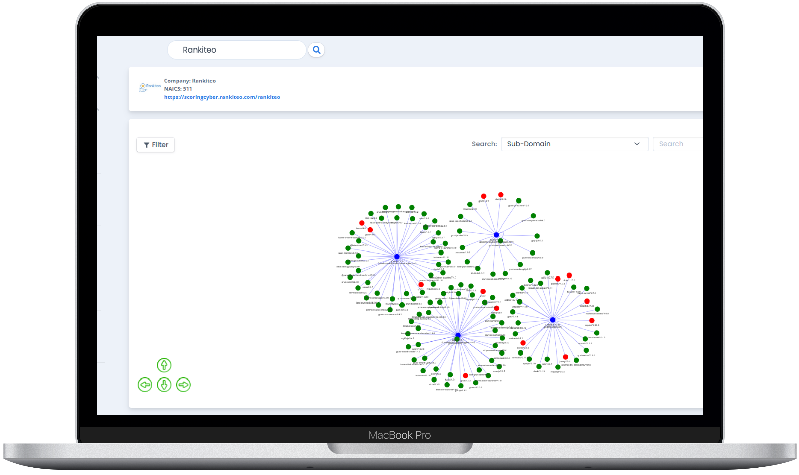
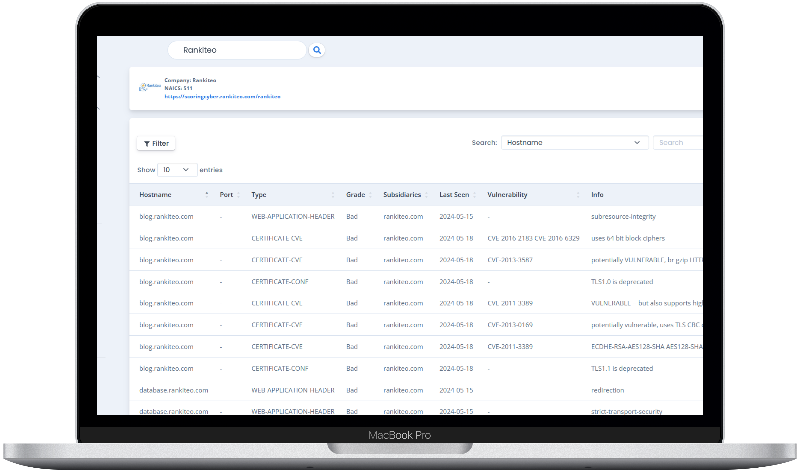
Identify exposed access points, detect misconfigured SSL certificates, and uncover vulnerabilities across the network infrastructure.
Gain visibility into the software components used within an organization to detect vulnerabilities, manage risk, and ensure supply chain security.
Monitor and manage all IT assets and their configurations to ensure accurate, real-time visibility across the company's technology environment.
Leverage real-time insights on active threats, malware campaigns, and emerging vulnerabilities to proactively defend against evolving cyberattacks.



 foh&boh



 Rapid
Rapid