Ransomware01 Feb 2024 • Northwell Health and UPMC: Hospitals Invest Heavily in Cybersecurity and Core Health IT Systems in 2026
Healthcare Cybersecurity Crisis: Record Breaches and Soaring Costs
**Healthcare Cybersecurity in Crisis: Record Breaches and Soaring Costs Drive 2026 Spending Surge** The healthcare sector faces an escalating cybersecurity crisis as digital transformation collides with a relentless wave of attacks. In 2024 alone, over **276 million patient records** were compromised an average of **758,000 records exposed daily** while the financial toll of breaches surged. The U.S. healthcare industry saw the average cost of a data breach climb to nearly **$11 million**, with a single 2024 vendor outage affecting **190 million individuals** and exceeding **$3 billion** in damages. Ransomware remains the dominant threat, evolving from traditional file-locking to **rapid data-extortion attacks** that exfiltrate sensitive information in minutes. Attackers increasingly target **third-party vendors and cloud services**, exploiting weak links in the supply chain. The rise of **AI-driven cyberattacks** has further accelerated threats, enabling hackers to automate reconnaissance and craft sophisticated phishing campaigns that outpace traditional defenses. ### **Key Vulnerabilities Expanding the Attack Surface** Healthcare’s complex IT ecosystems create persistent security gaps: - **Legacy and patchwork systems**: Hospitals operate a mix of mainframes, SaaS platforms, and custom tools, leading to **inconsistent authentication, fragmented backups, and untested recovery protocols**. - **Internet of Medical Things (IoMT)**: Connected devices like infusion pumps and imaging equipment often run **outdated firmware**, making them prime targets. The **FDA’s PATCH Act** now mandates cybersecurity plans from manufacturers, but risks persist. - **Third-party and supply-chain risks**: Cloud-hosted EHRs, telehealth platforms, and imaging services introduce dependencies outside hospitals’ direct control. Experts warn that **vendor outages will become the top operational resilience risk**. - **Shadow AI and internal misuse**: Nearly **23% of clinicians** use unsanctioned AI tools, creating security and compliance gaps due to **lack of encryption and audit trails**. ### **Regulatory Pressures and Financial Imperatives** Regulators are tightening requirements to address these threats. The **HHS Office for Civil Rights (OCR)** is expected to finalize an updated **HIPAA Security Rule in 2026**, including a proposed **"72-hour rule"** mandating hospitals restore critical EHR functions within three days of an incident. Meanwhile, cyber insurance providers are **tightening underwriting standards**, requiring proof of robust controls for coverage. The financial stakes are higher than ever. Beyond direct breach costs, hospitals face **lost revenue, reputational damage, and litigation**. Boards are responding by **increasing cybersecurity budgets**, with **84% of CIOs planning a median 26% spending boost in 2026** the largest increase across IT priorities. ### **Modernization as a Security Imperative** Health systems are accelerating **EHR modernization** to reduce complexity and improve resilience. Major providers like **HCA Healthcare, UPMC, and Northwell Health** are consolidating onto unified platforms (e.g., Epic, Meditech Expanse) to **eliminate silos, enforce consistent security controls, and enable AI-driven care**. Key trends include: - **Interoperability and data governance**: Adoption of **FHIR APIs and strong encryption** to meet **21st Century Cures Act** requirements, alongside investments in **cloud data lakes and real-time pipelines**. - **AI and automation**: Deployment of **AI-driven anomaly detection and behavioral analytics** to identify threats in real time, though only **1% of healthcare organizations** consider themselves "AI mature." - **Resilience-focused architecture**: Network segmentation, **immutable backups, 24/7 threat monitoring, and zero-trust identity controls** to ensure continuity during attacks. ### **The Path Forward** Cybersecurity is no longer an IT issue but a **board-level priority**, intertwined with patient safety and operational continuity. Hospitals must balance **innovation with security**, embedding resilience into **digital front-door experiences, remote monitoring, and AI diagnostics**. Vendor governance is also tightening, with health systems demanding **business continuity guarantees** from partners. As 2026 approaches, the message is clear: **healthcare’s digital future depends on proactive defense, modernized infrastructure, and a culture of cyber resilience**.
535
critical -246
UPMNOR1773678972Incident Details -
Type
Data Breach Ransomware Vendor Outage
Attack Vector
Third-party vendors Cloud services Phishing AI-driven cyberattacks
Vulnerability Exploited
Legacy systems Unpatched IoMT devices Shadow AI Weak supply-chain security Inconsistent authentication
Motivation
Financial gain Data extortion
Impact
Financial Loss: $3 billion (single vendor outage) Data Compromised: 276 million patient records (2024) EHRs IoMT devices Cloud-hosted platforms Telehealth services Operational Impact: Vendor outages disrupting critical functions Brand Reputation Impact: High Identity Theft Risk: High
Response
Network segmentation Immutable backups Zero-trust identity controls 24/7 threat monitoring AI-driven anomaly detection Enhanced Monitoring: 24/7 threat monitoring
Data Breach
Patient records Personally identifiable information Number Of Records Exposed: 276 million (2024) Sensitivity Of Data: High Data Exfiltration: Yes (ransomware attacks) Personally Identifiable Information: Yes
Regulatory Compliance
HIPAA (potential) HHS Office for Civil Rights (OCR) updates
Lessons Learned
Cybersecurity is a board-level priority intertwined with patient safety and operational continuity. Healthcare must modernize infrastructure, enforce vendor governance, and embed resilience into digital transformation.
Recommendations
Accelerate EHR modernization to reduce complexity Adopt FHIR APIs and strong encryption for interoperability Implement AI-driven anomaly detection and behavioral analytics Enforce network segmentation and zero-trust identity controls Demand business continuity guarantees from vendors Increase cybersecurity budgets and staff training
Post Incident Analysis
Legacy and patchwork systems Unpatched IoMT devices Third-party and supply-chain risks Shadow AI and internal misuse Weak authentication and fragmented backups EHR modernization Network segmentation and immutable backups Zero-trust identity controls AI-driven threat detection Vendor governance and business continuity guarantees
References






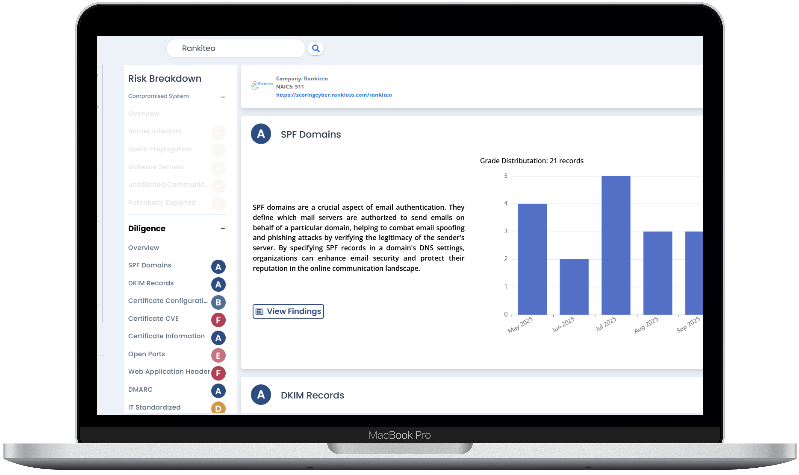
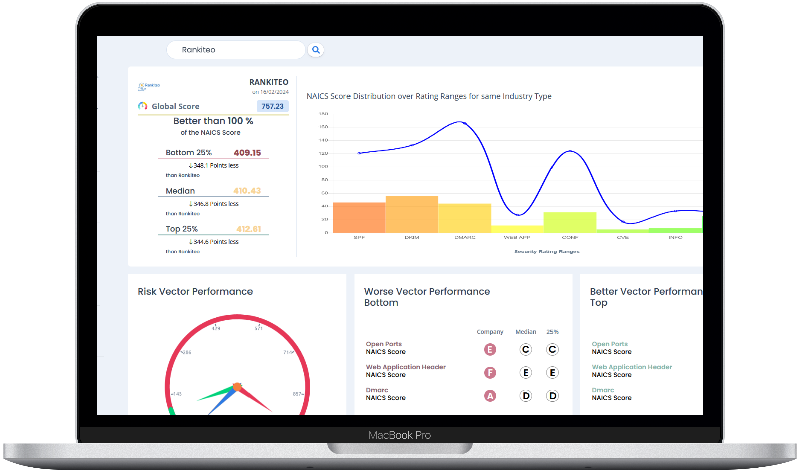
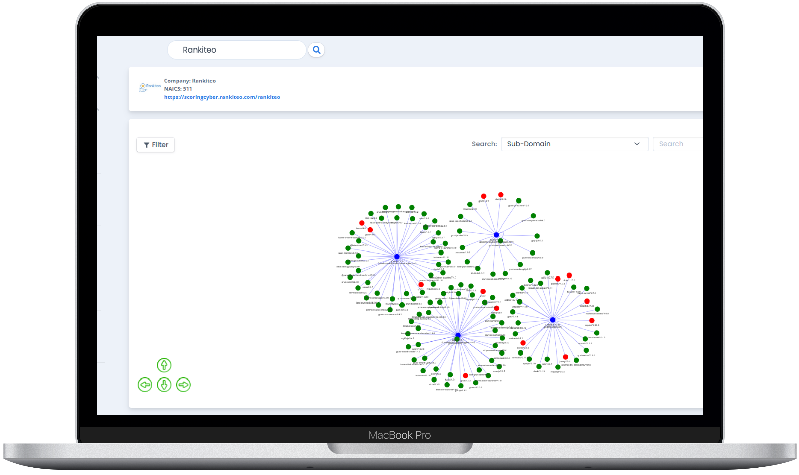








 UPMC Risk Score (AI oriented)
 UPMC Global Score (TPRM)