










Kaiser Permanente
Company Details
Linkedin ID:
kaiser-permanente
Website:
Employees number:
133,680
Number of followers:
1,049,900
NAICS:
62
Industry Type:
Homepage:
kp.org
IP Addresses:
914
Company ID:
KAI_2204060
Scan Status:
Completed


Kaiser Permanente Vendor Cyber Rating & Cyber Score
kp.orgAt the heart of health care, you’ll find Kaiser Permanente. As the nation’s leading not-for-profit, integrated health plan, we make a difference in the lives of members, patients, and communities across the country. With 39 hospitals and more than 734 locations in eight states and the District of Columbia, we proudly serve more than 12.7 million members from coast to coast. Whether you choose to join a hospital in the Northwest, a clinic in Southern California, or a medical office in the Mid-Atlantic, we have many opportunities for you to shape the future of care. Our teams are empowered to advance impactful and extraordinary care for all by pioneering health outcomes, encouraging diverse viewpoints, and creating new opportunities for learning and advancement. This covers more than our members and our employees; it also reaches far into our communities. Together, we’re proudly working as one for a healthier today and tomorrow. *Disclaimer: Please do not include any medical, personal, or confidential information in your comments. Comments are encouraged; however, Kaiser Permanente reserves the right to moderate comments on this page as necessary to prevent medical, personal, and confidential information from being posted on this site. In addition, Kaiser Permanente will remove all spam, personal attacks, profanity, and off-topic commentary. Comments containing advertisements about goods or services or announcements about news or events that are not related to Kaiser Permanente will be removed. Please note that your communications with Kaiser Permanente through this page are informal and are not part of Kaiser Permanente’s formal grievance process for members. To get information about the member grievance process or to submit a grievance, go to http://k-p.li/2aToRTn
Company Details
kaiser-permanente
133,680
1,049,900
62
kp.org
914
KAI_2204060
Completed
 Kaiser Permanente Risk Score (AI oriented)
Between 0 and 549
 Kaiser Permanente Global Score (TPRM)
XXXX
Description: Kaiser Permanente Settles $46M Lawsuit Over Patient Data Exposure via Tracking Tools Kaiser Permanente has agreed to a $46 million settlement to resolve a class-action lawsuit alleging unauthorized sharing of patient data through third-party tracking tools on its websites and mobile apps. The settlement, preliminarily approved in December 2025, covers approximately 13 million current and former members across nine states and the District of Columbia. The lawsuit, consolidated from multiple filings in 2024, claimed that from November 2017 to May 2024, Kaiser’s digital platforms transmitted sensitive information including IP addresses, names, medical histories, and user navigation details to companies like Google, Microsoft, Meta, and Twitter/X without explicit consent. Kaiser denied any misuse of data or exposure of Social Security numbers or financial information but opted to settle to avoid prolonged litigation. Eligible members, who accessed Kaiser’s websites or apps during the affected period, may receive a one-time payment of $20 to $40 from the settlement fund, which could increase to $47.5 million. Claims must be filed by March 12, 2026, via the settlement website, with payments distributed after final court approval on May 7, 2026. Payouts will be issued electronically or by check. Kaiser stated it removed the tracking technologies in 2024 and implemented additional safeguards to prevent future incidents. The company maintains no evidence of data misuse but emphasized the settlement as a resolution to legal uncertainty.
Description: The California Office of the Attorney General reported that Kaiser Foundation Hospitals experienced a data breach on August 2, 2024, which was discovered on September 3, 2024. Unauthorized access occurred to the email accounts of two workforce members, potentially exposing protected health information of individuals. The number of individuals affected is not specified.
Description: Kaiser Permanente, a leading healthcare organization, has reported a significant data breach affecting 13.4 million members, marking it as the largest healthcare-related data breach of 2024. The compromised information includes names, IP addresses, account interaction details, and navigational data on Kaiser's websites and mobile apps. The breach resulted from tracking code that shared data with third-party advertisers, including major tech companies like Google, Microsoft, and X (formerly Twitter). This incident has raised privacy concerns and prompted Kaiser to remove the tracking code and notify the affected individuals.
Description: Kaiser Permanente Settles $46M Lawsuit Over Alleged Patient Data Breaches Kaiser Permanente has agreed to a $46 million settlement to resolve a class-action lawsuit alleging unauthorized sharing of patient data through its websites and mobile apps. The settlement, preliminarily approved in December 2025, stems from multiple lawsuits filed in 2024, which were consolidated into a single case. The lawsuit claimed that from November 2017 to May 2024, Kaiser’s digital platforms used third-party tracking tools including code from Google, Microsoft, Meta, and Twitter/X that transmitted sensitive information without user consent. Exposed data reportedly included IP addresses, names, medical histories, search terms, and user navigation details. Kaiser denied any misuse of data or exposure of Social Security numbers or financial information, stating the settlement was reached to avoid prolonged litigation. Eligible members current or former Kaiser patients in nine states and D.C. who accessed its websites or apps during the affected period may receive a one-time payment of $20 to $40 from the settlement fund, which could increase to $47.5 million. Claims must be filed by March 12, 2026, via the settlement website, with payments distributed after final court approval on May 7, 2026. Payouts will be issued electronically or by check. Kaiser stated it removed the tracking technologies in 2024 and implemented additional safeguards to prevent future incidents. The company maintains no evidence of data misuse but settled to resolve the legal dispute.
Description: The California Office of the Attorney General reported a data breach involving Kaiser Foundation Health Plan, Inc. on April 12, 2024. The incident occurred on October 25, 2023, when certain online technologies potentially transmitted personal information such as IP addresses and names to third-party vendors. Detailed information like Social Security numbers and financial information was not involved.
Description: Kaiser Foundation Health Plan of the Mid-Atlantic States notified 8,556 individuals of improper access to their health information. In September 2022, Kaiser Permanente determined that an employee had inappropriately accessed medical records without a legitimate reason for doing so. The employee viewed a variety of information, including names, medical record numbers, phone numbers, birth dates, addresses, medical information, and photographs.
Description: The California Office of the Attorney General reported on July 15, 2022, that Kaiser Permanente experienced a data breach on May 20, 2022, involving the theft of an iPad from a medical center. The breach potentially affected individuals' first names, last names, medical record numbers, dates of birth, and service dates. The breach response included notifying law enforcement and remotely erasing the iPad's data.
Description: The Washington State Office of the Attorney General reported that Kaiser Foundation Health Plan of Washington experienced a phishing attack on April 5, 2022, potentially affecting 69,589 patients. The types of information exposed included names and medical information, but no financial data or Social Security numbers were involved.
Description: Unauthorized access to the US healthcare giant Kaiser Permanente's email system exposed the healthcare and personal information of up to 70,000 patients. The breach exposed patients’ first and last names, medical record numbers, dates of service, and laboratory test result information of the health plan provider. Kaiser Permanente asked all of its employees to reset their passwords for their email accounts and arranged additional training on safe email practices for all its staff.
Description: The systems of TTEC were affected by ransomware attack by the Ragnar Locker group on its servers. The outage impacted the access to the network, applications and customer support. The attackers gained the access to the systems and left messages on its syetmes asking for ransom.
Description: The California Office of the Attorney General reported a data breach involving Kaiser Health Plan, Southern California, on February 28, 2020. The breach occurred when a former address was incorrectly used for mailings to individuals between October 6 and December 20, 2019, potentially affecting demographic and medical information. The specific number of individuals affected is currently unknown.
Description: The California Office of the Attorney General reported a data breach involving Kaiser Permanente on September 26, 2019. The breach occurred on August 12, 2019, when a provider’s email account containing protected health information was compromised for approximately thirteen hours. The types of information potentially exposed included names, medical record numbers, and various health-related details, but Social Security numbers and financial information were not involved.
Description: On November 2, 2017, Kaiser Foundation Health Plan, Inc. experienced a data breach reported by the California Office of the Attorney General on December 5, 2017. The incident involved the unauthorized compromise of personal health information (PHI), though the exact number of affected individuals remains undisclosed. The breach exposed sensitive medical and personally identifiable data, posing risks such as identity theft, financial fraud, or misuse of health records. Given the nature of the compromised information health data this incident carries severe implications for patient privacy, trust in the healthcare provider, and potential regulatory penalties under laws like HIPAA (Health Insurance Portability and Accountability Act). The lack of clarity on the scale of the breach further complicates mitigation efforts, leaving affected individuals vulnerable to long-term consequences. Healthcare breaches of this nature often trigger investigations by regulatory bodies, legal repercussions, and reputational damage that can erode patient confidence. The exposure of PHI also heightens the risk of targeted phishing attacks or blackmail, particularly if the data includes diagnoses, treatment histories, or insurance details. Kaiser’s response including notification protocols, remediation measures, and transparency would be critical in determining the long-term impact on its operations and public perception.
Description: On August 9, 2017, Kaiser Foundation Health Plan experienced a data breach when an employee inadvertently emailed a document containing protected health information (PHI) to an unknown external address. The incident was reported to the California Office of the Attorney General on August 31, 2017. The breach involved the unauthorized disclosure of sensitive patient data, though the exact number of affected individuals was not specified. The exposed information likely included medical records, personal identifiers, or treatment details, posing risks such as identity theft, fraud, or reputational harm to the impacted patients. As a healthcare provider, Kaiser’s breach underscores vulnerabilities in internal data-handling protocols, particularly in securing PHI against accidental leaks. The incident did not involve ransomware or a targeted cyber attack but stemmed from human error, highlighting the need for stricter email security measures and employee training to prevent similar occurrences in the future.
Description: The California Office of the Attorney General reported a data breach involving Kaiser Foundation Hospitals on December 20, 2016. The breach, which occurred due to a system error between November 16 and 28, 2016, potentially exposed individuals' names, ages, addresses, copay information, deductible payments, and out-of-pocket expenses. The number of individuals affected is currently unknown.
Description: The California Office of the Attorney General reported that Kaiser Permanente Health Plan, Inc of Northern California experienced a data breach on November 7, 2016, related to an accidental exposure of protected health information on October 12-13, 2016. The breach allowed member information accessed via kp.org to be mistakenly viewable by other visitors for approximately two hours, although no Social Security numbers or banking information were compromised.
Description: The California Office of the Attorney General reported a data breach involving Kaiser Permanente on October 29, 2012. The breach occurred on August 24, 2012, when an employee mistakenly emailed confidential employee information, including names and Social Security numbers, to an unauthorized recipient. The number of individuals affected is not specified, but the report states that no personal health information was involved.
Description: The California Office of the Attorney General reported that Kaiser Permanente experienced a data breach on April 6, 2012, due to an employee inadvertently sending a report to a non-Kaiser Permanente email address. The reported date of the incident is April 16, 2012. The incident potentially affected patient identifiable information, although the number of individuals affected is unknown.

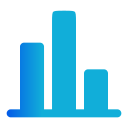
Kaiser Permanente has 29.58% fewer incidents than the average of same-industry companies with at least one recorded incident.
Kaiser Permanente has 15.25% fewer incidents than the average of all companies with at least one recorded incident.
Kaiser Permanente reported 1 incidents this year: 0 cyber attacks, 0 ransomware, 0 vulnerabilities, 1 data breaches, compared to industry peers with at least 1 incident.
Kaiser Permanente cyber incidents detection timeline including parent company and subsidiaries

At the heart of health care, you’ll find Kaiser Permanente. As the nation’s leading not-for-profit, integrated health plan, we make a difference in the lives of members, patients, and communities across the country. With 39 hospitals and more than 734 locations in eight states and the District of Columbia, we proudly serve more than 12.7 million members from coast to coast. Whether you choose to join a hospital in the Northwest, a clinic in Southern California, or a medical office in the Mid-Atlantic, we have many opportunities for you to shape the future of care. Our teams are empowered to advance impactful and extraordinary care for all by pioneering health outcomes, encouraging diverse viewpoints, and creating new opportunities for learning and advancement. This covers more than our members and our employees; it also reaches far into our communities. Together, we’re proudly working as one for a healthier today and tomorrow. *Disclaimer: Please do not include any medical, personal, or confidential information in your comments. Comments are encouraged; however, Kaiser Permanente reserves the right to moderate comments on this page as necessary to prevent medical, personal, and confidential information from being posted on this site. In addition, Kaiser Permanente will remove all spam, personal attacks, profanity, and off-topic commentary. Comments containing advertisements about goods or services or announcements about news or events that are not related to Kaiser Permanente will be removed. Please note that your communications with Kaiser Permanente through this page are informal and are not part of Kaiser Permanente’s formal grievance process for members. To get information about the member grievance process or to submit a grievance, go to http://k-p.li/2aToRTn


Region Skåne, or Skåne Regional Council, is the self-governing authority of Skåne, the southernmost county of Sweden. Region Skåne has its head office in the city of Kristianstad and has work places in every municipality in Skåne. Region Skåne is responsible for healthcare and medical services, t

Adventist Health is a faith-inspired, nonprofit integrated health system serving more than 100 communities on the West Coast and Hawaii with over 440 sites of care. Founded on Adventist heritage and values, Adventist Health provides care in hospitals, clinics, home care agencies, hospice agencies, a
Since its start in 1855 as the nation's first hospital devoted exclusively to caring for children, The Children's Hospital of Philadelphia has been the birthplace for many dramatic firsts in pediatric medicine. The Hospital has fostered medical discoveries and innovations that have improved pediatri

Die RHÖN‐KLINIKUM AG ist einer der größten Gesundheitsdienstleister in Deutschland. Die Kliniken bieten exzellente Medizin mit direkter Anbindung zu Universitäten und Forschungseinrichtungen. An den fünf Standorten Campus Bad Neustadt, Klinikum Frankfurt (Oder), Universitätsklinikum Gießen und Unive

A Amil é uma empresa do setor de saúde que atua no Brasil combinando expertise e liderança para coordenar todos os agentes desse mercado - criando relações sustentáveis para conhecer e atender às necessidades de cada cliente e permitir que ele aproveite o melhor da vida. Diariamente, nos preocupamo
M42 is an Abu Dhabi-based, global tech-enabled healthcare company operating at the forefront of medical advancement. The company is seeking to transform lives through innovative clinical solutions that can solve the world’s most critical health and diagnostic challenges. By harnessing unique medical
Based on our extensive expertise and know how we seek to ensure high quality, efficient and patient focused healthcare, locally as well as within an international environment. For this purpose Helios Health was founded in 2017. Helios Health combines Helios Germany (Helios Kliniken) and Helios Spa
Over the past decade we have transformed into a focused leader in health technology. At Philips, our purpose is to improve people’s health and well-being through meaningful innovation. We aim to improve 2.5 billion lives per year by 2030, including 400 million in underserved communities. We see h
At Texas Health Resources, our mission is to improve the health of the people in the communities we serve. We are one of the largest faith-based, nonprofit health systems in the United States with a team of more than 28,000 employees of wholly owned/operated facilities and consolidated joint ventur
.png)
Kaiser Permanente in April acknowledged a breach that might have leaked the personal data of 13.4 million of its customers to Google, Microsoft and X.
Kaiser Permanente settlement highlights how health websites collect and share user data and what privacy protections really apply online.
Kaiser Permanente has reached a proposed $46 million settlement to resolve a class-action lawsuit alleging the healthcare provider breached...
Managed care group Kaiser Permanente has agreed to pay at least $46 million to resolve a class action lawsuit over its sharing of personal...
Kaiser Permanente's health plan settled a class action lawsuit concerning a 2024 breach that stemmed from its alleged use of web trackers...
The risk of sending unwanted marketing communications to consumers has been highlighted by a $10.5 million settlement with Kaiser Foundation...
Cybernews reports that Kaiser Permanente, the largest health plan provider in the U.S., has attributed sweeping system outages on Wednesday...
Kaiser Permanente healthcare network on Thursday said a system-wide outage that impacted patient e-health records across hundreds of locations
Analysts said the Change Healthcare breach is the worst cyberattack the industry has ever seen, but other attacks affected millions of Americans.

Explore insights on cybersecurity incidents, risk posture, and Rankiteo's assessments.
The official website of Kaiser Permanente is http://kp.org.
According to Rankiteo, Kaiser Permanente’s AI-generated cybersecurity score is 192, reflecting their Critical security posture.
According to Rankiteo, Kaiser Permanente currently holds 0 security badges, indicating that no recognized compliance certifications are currently verified for the organization.
According to Rankiteo, Kaiser Permanente has been affected by multiple supply chain cyber incidents. The affected supply chain sources and their corresponding incident IDs are:
According to Rankiteo, Kaiser Permanente is not certified under SOC 2 Type 1.
According to Rankiteo, Kaiser Permanente does not hold a SOC 2 Type 2 certification.
According to Rankiteo, Kaiser Permanente is not listed as GDPR compliant.
According to Rankiteo, Kaiser Permanente does not currently maintain PCI DSS compliance.
According to Rankiteo, Kaiser Permanente is not compliant with HIPAA regulations.
According to Rankiteo,Kaiser Permanente is not certified under ISO 27001, indicating the absence of a formally recognized information security management framework.
Kaiser Permanente operates primarily in the Hospitals and Health Care industry.
Kaiser Permanente employs approximately 133,680 people worldwide.
Kaiser Permanente presently has no subsidiaries across any sectors.
Kaiser Permanente’s official LinkedIn profile has approximately 1,049,900 followers.
Kaiser Permanente is classified under the NAICS code 62, which corresponds to Health Care and Social Assistance.
Yes, Kaiser Permanente has an official profile on Crunchbase, which can be accessed here: https://www.crunchbase.com/organization/kaiser-permanente.
Yes, Kaiser Permanente maintains an official LinkedIn profile, which is actively utilized for branding and talent engagement, which can be accessed here: https://www.linkedin.com/company/kaiser-permanente.
As of March 30, 2026, Rankiteo reports that Kaiser Permanente has experienced 18 cybersecurity incidents.
Kaiser Permanente has an estimated 32,297 peer or competitor companies worldwide.
Incident Types: The types of cybersecurity incidents that have occurred include Data Leak, Ransomware, Breach and Cyber Attack.
Total Financial Loss: The total financial loss from these incidents is estimated to be $92 million.
Detection and Response: The company detects and responds to cybersecurity incidents through an containment measures with password reset for all employees, and remediation measures with additional training on safe email practices, and containment measures with removed the tracking code, and communication strategy with notified affected individuals, and and containment measures with remotely erasing the ipad's data, and communication strategy with public disclosure via california ag office, and third party assistance with guidance of experts, and containment measures with removal of certain online technologies from websites and mobile applications, and remediation measures with implementation of additional safeguards to prevent recurrence, and communication strategy with informed members in 2024; official settlement notices sent in 2025, and third party assistance with experts consulted for additional safeguards, and containment measures with removal of certain online technologies from websites and mobile applications, and remediation measures with implementation of additional measures to safeguard against recurrence, and communication strategy with notices sent to members in 2024 and settlement notices in 2025..
Title: Ransomware Attack on TTEC
Description: The systems of TTEC were affected by ransomware attack by the Ragnar Locker group on its servers. The outage impacted the access to the network, applications, and customer support. The attackers gained access to the systems and left messages on its systems asking for ransom.
Type: Ransomware
Attack Vector: Unspecified
Threat Actor: Ragnar Locker group
Motivation: Financial
Title: Unauthorized Access to Kaiser Permanente's Email System
Description: Unauthorized access to the US healthcare giant Kaiser Permanente's email system exposed the healthcare and personal information of up to 70,000 patients. The breach exposed patients’ first and last names, medical record numbers, dates of service, and laboratory test result information of the health plan provider. Kaiser Permanente asked all of its employees to reset their passwords for their email accounts and arranged additional training on safe email practices for all its staff.
Type: Data Breach
Attack Vector: Unauthorized Access
Title: Improper Access to Health Information at Kaiser Foundation Health Plan of the Mid-Atlantic States
Description: Kaiser Foundation Health Plan of the Mid-Atlantic States notified 8,556 individuals of improper access to their health information. In September 2022, Kaiser Permanente determined that an employee had inappropriately accessed medical records without a legitimate reason for doing so. The employee viewed a variety of information, including names, medical record numbers, phone numbers, birth dates, addresses, medical information, and photographs.
Date Detected: September 2022
Type: Data Breach
Attack Vector: Insider Threat
Vulnerability Exploited: Improper Access Controls
Threat Actor: Employee
Motivation: Unauthorized Access
Title: Kaiser Permanente Data Breach
Description: Kaiser Permanente, a leading healthcare organization, has reported a significant data breach affecting 13.4 million members, marking it as the largest healthcare-related data breach of 2024. The compromised information includes names, IP addresses, account interaction details, and navigational data on Kaiser's websites and mobile apps. The breach resulted from tracking code that shared data with third-party advertisers, including major tech companies like Google, Microsoft, and X (formerly Twitter). This incident has raised privacy concerns and prompted Kaiser to remove the tracking code and notify the affected individuals.
Type: Data Breach
Attack Vector: Unauthorized data sharing through tracking code
Vulnerability Exploited: Tracking code sharing data with third-party advertisers
Title: Data Breach at Kaiser Foundation Hospitals
Description: The California Office of the Attorney General reported a data breach involving Kaiser Foundation Hospitals on December 20, 2016. The breach, which occurred due to a system error between November 16 and 28, 2016, potentially exposed individuals' names, ages, addresses, copay information, deductible payments, and out-of-pocket expenses. The number of individuals affected is currently unknown.
Date Detected: 2016-12-20
Date Publicly Disclosed: 2016-12-20
Type: Data Breach
Attack Vector: System Error
Title: Kaiser Permanente Data Breach
Description: A data breach involving Kaiser Permanente where a provider's email account containing protected health information was compromised for approximately thirteen hours.
Date Detected: 2019-08-12
Date Publicly Disclosed: 2019-09-26
Type: Data Breach
Attack Vector: Email Compromise
Title: Kaiser Foundation Hospitals Data Breach
Description: Unauthorized access to email accounts of two workforce members, potentially exposing protected health information.
Date Detected: 2024-09-03
Type: Data Breach
Attack Vector: Email Account Compromise
Title: Data Breach at Kaiser Foundation Health Plan, Inc.
Description: The California Office of the Attorney General reported a data breach involving Kaiser Foundation Health Plan, Inc. on April 12, 2024. The incident occurred on October 25, 2023, when certain online technologies potentially transmitted personal information such as IP addresses and names to third-party vendors. Detailed information like Social Security numbers and financial information was not involved.
Date Detected: 2023-10-25
Date Publicly Disclosed: 2024-04-12
Type: Data Breach
Attack Vector: Online Technologies
Title: Kaiser Permanente Health Plan Data Breach
Description: The California Office of the Attorney General reported that Kaiser Permanente Health Plan, Inc of Northern California experienced a data breach on November 7, 2016, related to an accidental exposure of protected health information on October 12-13, 2016. The breach allowed member information accessed via kp.org to be mistakenly viewable by other visitors for approximately two hours, although no Social Security numbers or banking information were compromised.
Date Detected: 2016-11-07
Type: Data Breach
Attack Vector: Accidental Exposure
Vulnerability Exploited: Misconfiguration
Title: Kaiser Permanente Data Breach
Description: An employee inadvertently sent a report to a non-Kaiser Permanente email address, potentially affecting patient identifiable information.
Date Detected: 2012-04-16
Type: Data Breach
Attack Vector: Human Error
Vulnerability Exploited: Email Misdirection
Title: Phishing Attack on Kaiser Foundation Health Plan of Washington
Description: The Washington State Office of the Attorney General reported that Kaiser Foundation Health Plan of Washington experienced a phishing attack on April 5, 2022, potentially affecting 69,589 patients. The types of information exposed included names and medical information, but no financial data or Social Security numbers were involved.
Date Detected: 2022-04-05
Type: Phishing Attack
Attack Vector: Phishing
Title: Kaiser Permanente Data Breach
Description: An employee mistakenly emailed confidential employee information, including names and Social Security numbers, to an unauthorized recipient.
Date Detected: 2012-08-24
Date Publicly Disclosed: 2012-10-29
Type: Data Breach
Attack Vector: Human Error
Vulnerability Exploited: Email Misconfiguration
Threat Actor: Internal Employee
Motivation: Accidental
Title: Kaiser Permanente Data Breach
Description: The California Office of the Attorney General reported on July 15, 2022, that Kaiser Permanente experienced a data breach on May 20, 2022, involving the theft of an iPad from a medical center, potentially affecting individuals' first names, last names, medical record numbers, dates of birth, and service dates. The breach response included notifying law enforcement and remotely erasing the iPad's data.
Date Detected: 2022-05-20
Date Publicly Disclosed: 2022-07-15
Type: Data Breach
Attack Vector: Theft of Device
Title: Data Breach at Kaiser Health Plan, Southern California
Description: The California Office of the Attorney General reported a data breach involving Kaiser Health Plan, Southern California, on February 28, 2020. The breach occurred when a former address was incorrectly used for mailings to individuals between October 6 and December 20, 2019, potentially affecting demographic and medical information. The specific number of individuals affected is currently unknown.
Date Detected: 2020-02-28
Date Publicly Disclosed: 2020-02-28
Type: Data Breach
Attack Vector: Incorrect Address Usage
Vulnerability Exploited: Incorrect Address Usage
Title: Kaiser Foundation Health Plan, Inc. Data Breach (2017)
Description: The California Office of the Attorney General reported a data breach affecting Kaiser Foundation Health Plan, Inc. on November 2, 2017. The breach involved the compromise of personal health information, potentially affecting an unknown number of individuals.
Date Detected: 2017-11-02
Date Publicly Disclosed: 2017-12-05
Type: Data Breach
Title: Kaiser Foundation Health Plan Data Breach (2017)
Description: The California Office of the Attorney General reported a data breach involving Kaiser Foundation Health Plan on August 31, 2017. The breach occurred on August 9, 2017, when a document containing protected health information was inadvertently emailed to an unknown external address, affecting an unspecified number of individuals.
Date Detected: 2017-08-09
Date Publicly Disclosed: 2017-08-31
Type: Data Breach
Attack Vector: Human Error (Misaddressed Email)
Title: Kaiser Permanente Patient Data Breach Settlement
Description: Kaiser Permanente reached a $46 million settlement over alleged patient data breaches involving its websites and mobile applications. The lawsuit alleged that third-party tracking code transmitted confidential personal and health information without member consent to companies such as Google, Microsoft, Meta, and Twitter/X from November 2017 to May 2024.
Date Detected: 2024-05
Date Publicly Disclosed: 2024
Date Resolved: 2025-12
Type: Data Breach
Attack Vector: Third-party tracking code
Vulnerability Exploited: Unauthorized data transmission via third-party integrations
Title: Kaiser Permanente Patient Data Breach Settlement
Description: Kaiser Permanente reached a lawsuit settlement over alleged patient data breaches involving Kaiser websites and mobile applications. The lawsuit alleged that from November 2017 to May 2024, Kaiser’s websites and mobile apps used third-party tracking code that transmitted confidential personal and health information without member consent to companies such as Google, Microsoft, Meta, and Twitter/X.
Date Detected: 2024-05
Date Publicly Disclosed: 2024
Date Resolved: 2025-12
Type: Data Breach
Attack Vector: Third-party tracking code
Vulnerability Exploited: Unauthorized data transmission via third-party trackers
Common Attack Types: The most common types of attacks the company has faced is Breach.
Identification of Attack Vectors: The company identifies the attack vectors used in incidents through Email Compromise.

Systems Affected: NetworkApplicationsCustomer Support

Data Compromised: First and last names, Medical record numbers, Dates of service, Laboratory test result information
Systems Affected: email system
Data Compromised: Names, Medical record numbers, Phone numbers, Birth dates, Addresses, Medical information, Photographs
Data Compromised: Names, Ip addresses, Account interaction details, Navigational data
Systems Affected: WebsitesMobile apps
Data Compromised: Names, Ages, Addresses, Copay information, Deductible payments, Out-of-pocket expenses
Data Compromised: Names, Medical record numbers, Health-related details
Data Compromised: Protected Health Information
Systems Affected: Email Accounts
Data Compromised: Ip addresses, Names
Data Compromised: Patient Identifiable Information

Data Compromised: Names, Medical information
Data Compromised: Names, Social security numbers
Data Compromised: First names, Last names, Medical record numbers, Dates of birth, Service dates
Data Compromised: Demographic information, Medical information
Data Compromised: Personal health information
Brand Reputation Impact: Potential (Healthcare Data Exposure)
Identity Theft Risk: Potential (Protected Health Information)
Financial Loss: $46 million (settlement fund)
Data Compromised: Confidential personal and health information, including IP addresses, names, search terms, medical histories, communications with healthcare professionals, and site navigation details
Systems Affected: WebsitesMobile applications
Operational Impact: Removal of certain online technologies and implementation of additional safeguards
Brand Reputation Impact: Potential reputational damage due to alleged data breach
Legal Liabilities: Class-action lawsuit settlement
Payment Information Risk: Denied exposure of financial information
Financial Loss: $46 million (settlement fund)
Data Compromised: Confidential personal and health information, including IP addresses, names, search terms, medical histories, communications with healthcare professionals, and navigation details
Systems Affected: Kaiser Permanente websites and mobile applications
Operational Impact: Removal of certain online technologies and implementation of additional safeguards
Brand Reputation Impact: Potential reputational damage due to alleged data breach
Legal Liabilities: Class-action lawsuit settlement
Identity Theft Risk: Potential risk due to exposure of personal and health information
Average Financial Loss: The average financial loss per incident is $5.11 million.
Commonly Compromised Data Types: The types of data most commonly compromised in incidents are Healthcare Information, Personal Information, , Names, Medical Record Numbers, Phone Numbers, Birth Dates, Addresses, Medical Information, Photographs, , Names, Ip Addresses, Account Interaction Details, Navigational Data, , Names, Ages, Addresses, Copay Information, Deductible Payments, Out-Of-Pocket Expenses, , Names, Medical Record Numbers, Health-Related Details, , Protected Health Information, Ip Addresses, Names, , Protected Health Information, Patient Identifiable Information, Names, Medical Information, , Names, Social Security Numbers, , Personally Identifiable Information, , Demographic Information, Medical Information, , Personal Health Information, , Protected Health Information (PHI), Personal Information, Health Information, , Personal Information, Health Information and .
Entity Name: Kaiser Permanente
Entity Type: Healthcare Provider
Industry: Healthcare
Location: United States
Customers Affected: 70000
Entity Name: Kaiser Foundation Health Plan of the Mid-Atlantic States
Entity Type: Healthcare Provider
Industry: Healthcare
Location: Mid-Atlantic States
Customers Affected: 8556
Entity Name: Kaiser Permanente
Entity Type: Healthcare Organization
Industry: Healthcare
Customers Affected: 13.4 million members
Entity Name: Kaiser Foundation Hospitals
Entity Type: Healthcare
Industry: Healthcare
Location: California
Entity Name: Kaiser Permanente
Entity Type: Healthcare Provider
Industry: Healthcare
Location: California
Entity Name: Kaiser Foundation Hospitals
Entity Type: Healthcare
Industry: Healthcare
Location: California
Entity Name: Kaiser Foundation Health Plan, Inc.
Entity Type: Healthcare
Industry: Healthcare
Location: California
Entity Name: Kaiser Permanente Health Plan, Inc of Northern California
Entity Type: Healthcare Provider
Industry: Healthcare
Location: Northern California
Entity Name: Kaiser Permanente
Entity Type: Healthcare Provider
Industry: Healthcare
Location: California
Entity Name: Kaiser Foundation Health Plan of Washington
Entity Type: Healthcare Provider
Industry: Healthcare
Location: Washington State
Customers Affected: 69589
Entity Name: Kaiser Permanente
Entity Type: Healthcare Provider
Industry: Healthcare
Location: California
Entity Name: Kaiser Permanente
Entity Type: Healthcare Provider
Industry: Healthcare
Location: California
Entity Name: Kaiser Health Plan, Southern California
Entity Type: Healthcare Provider
Industry: Healthcare
Location: Southern California
Entity Name: Kaiser Foundation Health Plan, Inc.
Entity Type: Healthcare Provider
Industry: Healthcare
Location: California, USA
Customers Affected: Unknown
Entity Name: Kaiser Foundation Health Plan
Entity Type: Healthcare Provider
Industry: Healthcare
Location: California, USA
Customers Affected: Unspecified
Entity Name: Kaiser Permanente
Entity Type: Healthcare Provider
Industry: Healthcare
Location: Oakland, California, USA
Size: 13 million members (affected regions)
Customers Affected: 13 million members in California, Colorado, Georgia, Hawaii, Maryland, Oregon, Virginia, Washington, and the District of Columbia
Entity Name: Kaiser Permanente
Entity Type: Healthcare Provider
Industry: Healthcare
Location: Oakland, California, USA
Size: 13 million members (affected regions: California, Colorado, Georgia, Hawaii, Maryland, Oregon, Virginia, Washington, District of Columbia)
Customers Affected: 13 million members
Containment Measures: Password reset for all employees
Remediation Measures: Additional training on safe email practices
Containment Measures: Removed the tracking code
Communication Strategy: Notified affected individuals
Containment Measures: remotely erasing the iPad's data
Communication Strategy: Public Disclosure via California AG Office
Third Party Assistance: Guidance of experts
Containment Measures: Removal of certain online technologies from websites and mobile applications
Remediation Measures: Implementation of additional safeguards to prevent recurrence
Communication Strategy: Informed members in 2024; official settlement notices sent in 2025
Third Party Assistance: Experts consulted for additional safeguards
Containment Measures: Removal of certain online technologies from websites and mobile applications
Remediation Measures: Implementation of additional measures to safeguard against recurrence
Communication Strategy: Notices sent to members in 2024 and settlement notices in 2025
Third-Party Assistance: The company involves third-party assistance in incident response through Guidance of experts, Experts consulted for additional safeguards.
Type of Data Compromised: Healthcare information, Personal information
Number of Records Exposed: 70000
Personally Identifiable Information: first and last namesmedical record numbersdates of servicelaboratory test result information
Type of Data Compromised: Names, Medical record numbers, Phone numbers, Birth dates, Addresses, Medical information, Photographs
Number of Records Exposed: 8556
Sensitivity of Data: High
Personally Identifiable Information: NamesMedical Record NumbersPhone NumbersBirth DatesAddressesPhotographs
Type of Data Compromised: Names, Ip addresses, Account interaction details, Navigational data
Number of Records Exposed: 13.4 million
Personally Identifiable Information: NamesIP addresses
Type of Data Compromised: Names, Ages, Addresses, Copay information, Deductible payments, Out-of-pocket expenses
Personally Identifiable Information: namesagesaddresses
Type of Data Compromised: Names, Medical record numbers, Health-related details
Sensitivity of Data: High
Personally Identifiable Information: namesmedical record numbers
Type of Data Compromised: Protected Health Information
Sensitivity of Data: High
Type of Data Compromised: Ip addresses, Names
Sensitivity of Data: Low
Personally Identifiable Information: IP addressesnames
Type of Data Compromised: Protected Health Information
Sensitivity of Data: High
Personally Identifiable Information: Member Information
Type of Data Compromised: Patient Identifiable Information
Type of Data Compromised: Names, Medical information
Number of Records Exposed: 69589
Type of Data Compromised: Names, Social security numbers
Sensitivity of Data: High
Type of Data Compromised: Personally identifiable information
Sensitivity of Data: High
Type of Data Compromised: Demographic information, Medical information
Sensitivity of Data: High
Personally Identifiable Information: Yes
Type of Data Compromised: Personal health information
Number of Records Exposed: Unknown
Sensitivity of Data: High
Type of Data Compromised: Protected Health Information (PHI)
Number of Records Exposed: Unspecified
Sensitivity of Data: High (Health Data)
Type of Data Compromised: Personal information, Health information
Sensitivity of Data: High (medical histories, communications with healthcare professionals)
Data Exfiltration: Transmitted to third parties (Google, Microsoft, Meta, Twitter/X)
Personally Identifiable Information: IP addressesNamesSearch termsMedical historiesSite navigation details
Type of Data Compromised: Personal information, Health information
Sensitivity of Data: High (medical histories, communications with healthcare professionals)
Data Exfiltration: Transmitted to third parties (Google, Microsoft, Meta, Twitter/X)
Personally Identifiable Information: IP addressesNamesSearch termsMedical historiesNavigation details
Prevention of Data Exfiltration: The company takes the following measures to prevent data exfiltration: Additional training on safe email practices, , Implementation of additional safeguards to prevent recurrence, Implementation of additional measures to safeguard against recurrence.
Handling of PII Incidents: The company handles incidents involving personally identifiable information (PII) through by password reset for all employees, , removed the tracking code, , remotely erasing the ipad's data, , removal of certain online technologies from websites and mobile applications and removal of certain online technologies from websites and mobile applications.
Ransomware Strain: Ragnar Locker
Regulatory Notifications: California Office of the Attorney General
Regulations Violated: HIPAA (Potential), California Data Breach Notification Law,
Regulatory Notifications: California Office of the Attorney General
Legal Actions: Class-action lawsuit settlement
Legal Actions: Class-action lawsuit settlement
Ensuring Regulatory Compliance: The company ensures compliance with regulatory requirements through Class-action lawsuit settlement, Class-action lawsuit settlement.
Lessons Learned: Importance of securing third-party integrations and ensuring explicit user consent for data sharing
Lessons Learned: Need for stricter oversight of third-party tracking technologies and enhanced data protection measures
Recommendations: Enhance monitoring of third-party tracking technologies, implement stricter data sharing policies, and conduct regular audits of data transmission practices
Recommendations: Remove unauthorized third-party tracking code, implement expert-guided safeguards, and ensure compliance with data privacy regulations
Key Lessons Learned: The key lessons learned from past incidents are Importance of securing third-party integrations and ensuring explicit user consent for data sharingNeed for stricter oversight of third-party tracking technologies and enhanced data protection measures.
Implemented Recommendations: The company has implemented the following recommendations to improve cybersecurity: Enhance monitoring of third-party tracking technologies, implement stricter data sharing policies, and conduct regular audits of data transmission practices, Remove unauthorized third-party tracking code, implement expert-guided safeguards and and ensure compliance with data privacy regulations.
Source: California Office of the Attorney General
Date Accessed: 2016-12-20
Source: California Office of the Attorney General
Date Accessed: 2019-09-26
Source: California Office of the Attorney General
Source: California Office of the Attorney General
Date Accessed: 2024-04-12
Source: California Office of the Attorney General
Source: California Office of the Attorney General
Source: Washington State Office of the Attorney General
Source: California Office of the Attorney General
Date Accessed: 2012-10-29
Source: California Office of the Attorney General
Date Accessed: 2022-07-15
Source: California Office of the Attorney General
Date Accessed: 2020-02-28
Source: California Office of the Attorney General
Date Accessed: 2017-12-05
Source: California Office of the Attorney General
Date Accessed: 2017-08-31
Source: Becker's Hospital Review
Source: Kaiser Permanente Settlement Website
Source: Becker's Hospital Review
Source: Kaiser Permanente Privacy Breach Settlement Website
Additional Resources: Stakeholders can find additional resources on cybersecurity best practices at and Source: California Office of the Attorney GeneralDate Accessed: 2016-12-20, and Source: California Office of the Attorney GeneralDate Accessed: 2019-09-26, and Source: California Office of the Attorney General, and Source: California Office of the Attorney GeneralDate Accessed: 2024-04-12, and Source: California Office of the Attorney General, and Source: California Office of the Attorney General, and Source: Washington State Office of the Attorney General, and Source: California Office of the Attorney GeneralDate Accessed: 2012-10-29, and Source: California Office of the Attorney GeneralDate Accessed: 2022-07-15, and Source: California Office of the Attorney GeneralDate Accessed: 2020-02-28, and Source: California Office of the Attorney GeneralDate Accessed: 2017-12-05, and Source: California Office of the Attorney GeneralDate Accessed: 2017-08-31, and Source: Becker's Hospital Review, and Source: Classaction.orgUrl: https://www.classaction.org, and Source: Kaiser Permanente Settlement Website, and Source: Becker's Hospital Review, and Source: ClassAction.orgUrl: https://www.classaction.org, and Source: Kaiser Permanente Privacy Breach Settlement Website.
Investigation Status: Settled
Investigation Status: Settled
Communication of Investigation Status: The company communicates the status of incident investigations to stakeholders through Notified Affected Individuals, Public Disclosure via California AG Office, Informed members in 2024; official settlement notices sent in 2025 and Notices sent to members in 2024 and settlement notices in 2025.
Customer Advisories: Official settlement notices sent to members in 2025; members informed in 2024 about technology removal
Stakeholder Advisories: Settlement notices sent to members
Customer Advisories: Members informed in 2024 and 2025 about the breach and settlement
Advisories Provided: The company provides the following advisories to stakeholders and customers following an incident: were Official settlement notices sent to members in 2025; members informed in 2024 about technology removal, Settlement notices sent to members and Members informed in 2024 and 2025 about the breach and settlement.
Entry Point: Email Compromise
Root Causes: Human Error
Root Causes: Human Error (Email Misdirection)
Root Causes: Unauthorized transmission of data via third-party tracking code without member consent
Corrective Actions: Removal of tracking technologies, implementation of additional safeguards, and expert guidance
Root Causes: Unauthorized transmission of data via third-party tracking code
Corrective Actions: Removal of tracking technologies and implementation of additional safeguards
Post-Incident Analysis Process: The company's process for conducting post-incident analysis is described as Guidance of experts, Experts consulted for additional safeguards.
Corrective Actions Taken: The company has taken the following corrective actions based on post-incident analysis: Removal of tracking technologies, implementation of additional safeguards, and expert guidance, Removal of tracking technologies and implementation of additional safeguards.
Last Attacking Group: The attacking group in the last incident were an Ragnar Locker group, Employee and Internal Employee.
Most Recent Incident Detected: The most recent incident detected was on September 2022.
Most Recent Incident Publicly Disclosed: The most recent incident publicly disclosed was on 2024.
Most Recent Incident Resolved: The most recent incident resolved was on 2025-12.
Most Significant Data Compromised: The most significant data compromised in an incident were first and last names, medical record numbers, dates of service, laboratory test result information, , Names, Medical Record Numbers, Phone Numbers, Birth Dates, Addresses, Medical Information, Photographs, , Names, IP addresses, Account interaction details, Navigational data, , names, ages, addresses, copay information, deductible payments, out-of-pocket expenses, , names, medical record numbers, health-related details, , Protected Health Information, IP addresses, names, , Member Information, Patient Identifiable Information, names, medical information, , Names, Social Security Numbers, , first names, last names, medical record numbers, dates of birth, service dates, , Demographic Information, Medical Information, , Personal Health Information, , , Confidential personal and health information, including IP addresses, names, search terms, medical histories, communications with healthcare professionals, and site navigation details, Confidential personal and health information, including IP addresses, names, search terms, medical histories, communications with healthcare professionals and and navigation details.
Most Significant System Affected: The most significant system affected in an incident was NetworkApplicationsCustomer Support and email system and WebsitesMobile apps and and and WebsitesMobile applications and .
Third-Party Assistance in Most Recent Incident: The third-party assistance involved in the most recent incident was Guidance of experts, Experts consulted for additional safeguards.
Containment Measures in Most Recent Incident: The containment measures taken in the most recent incident were Password reset for all employees, Removed the tracking code, remotely erasing the iPad's data, Removal of certain online technologies from websites and mobile applications and Removal of certain online technologies from websites and mobile applications.
Most Sensitive Data Compromised: The most sensitive data compromised in a breach were Medical Information, ages, Medical Record Numbers, Demographic Information, IP addresses, Confidential personal and health information, including IP addresses, names, search terms, medical histories, communications with healthcare professionals, and navigation details, laboratory test result information, Photographs, Phone Numbers, deductible payments, names, first and last names, medical record numbers, Birth Dates, copay information, Member Information, Patient Identifiable Information, Navigational data, first names, dates of service, dates of birth, Names, last names, health-related details, Confidential personal and health information, including IP addresses, names, search terms, medical histories, communications with healthcare professionals, and site navigation details, Account interaction details, service dates, Addresses, out-of-pocket expenses, medical information, addresses, Protected Health Information, Personal Health Information and Social Security Numbers.
Number of Records Exposed in Most Significant Breach: The number of records exposed in the most significant breach was 13.4M.
Most Significant Legal Action: The most significant legal action taken for a regulatory violation was Class-action lawsuit settlement, Class-action lawsuit settlement.
Most Significant Lesson Learned: The most significant lesson learned from past incidents was Importance of securing third-party integrations and ensuring explicit user consent for data sharing, Need for stricter oversight of third-party tracking technologies and enhanced data protection measures.
Most Significant Recommendation Implemented: The most significant recommendation implemented to improve cybersecurity was Enhance monitoring of third-party tracking technologies, implement stricter data sharing policies, and conduct regular audits of data transmission practices, Remove unauthorized third-party tracking code, implement expert-guided safeguards and and ensure compliance with data privacy regulations.
Most Recent Source: The most recent source of information about an incident are Washington State Office of the Attorney General, ClassAction.org, Becker's Hospital Review, California Office of the Attorney General, Kaiser Permanente Settlement Website, Kaiser Permanente Privacy Breach Settlement Website and Classaction.org.
Most Recent URL for Additional Resources: The most recent URL for additional resources on cybersecurity best practices is https://www.classaction.org, https://www.classaction.org .
Current Status of Most Recent Investigation: The current status of the most recent investigation is Settled.
Most Recent Stakeholder Advisory: The most recent stakeholder advisory issued was Settlement notices sent to members, .
Most Recent Customer Advisory: The most recent customer advisory issued were an Official settlement notices sent to members in 2025; members informed in 2024 about technology removal and Members informed in 2024 and 2025 about the breach and settlement.
Most Recent Entry Point: The most recent entry point used by an initial access broker was an Email Compromise.
Most Significant Root Cause: The most significant root cause identified in post-incident analysis was Human Error, Human Error (Email Misdirection), Unauthorized transmission of data via third-party tracking code without member consent, Unauthorized transmission of data via third-party tracking code.
Most Significant Corrective Action: The most significant corrective action taken based on post-incident analysis was Removal of tracking technologies, implementation of additional safeguards, and expert guidance, Removal of tracking technologies and implementation of additional safeguards.
.png)
A vulnerability was identified in Totolink A3300R 17.0.0cu.557_b20221024. This affects the function setLanCfg of the file /cgi-bin/cstecgi.cgi of the component Parameter Handler. The manipulation of the argument lanIp leads to command injection. Remote exploitation of the attack is possible. The exploit is publicly available and might be used.
Perl versions from 5.9.4 before 5.40.4-RC1, from 5.41.0 before 5.42.2-RC1, from 5.43.0 before 5.43.9 contain a vulnerable version of Compress::Raw::Zlib. Compress::Raw::Zlib is included in the Perl package as a dual-life core module, and is vulnerable to CVE-2026-3381 due to a vendored version of zlib which has several vulnerabilities, including CVE-2026-27171. The bundled Compress::Raw::Zlib was updated to version 2.221 in Perl blead commit c75ae9cc164205e1b6d6dbd57bd2c65c8593fe94.
Ghidra versions prior to 12.0.3 improperly process annotation directives embedded in automatically extracted binary data, resulting in arbitrary command execution when an analyst interacts with the UI. Specifically, the @execute annotation (which is intended for trusted, user-authored comments) is also parsed in comments generated during auto-analysis (such as CFStrings in Mach-O binaries). This allows a crafted binary to present seemingly benign clickable text which, when clicked, executes attacker-controlled commands on the analyst’s machine.
A critical security vulnerability in parisneo/lollms versions up to 2.2.0 allows any authenticated user to accept or reject friend requests belonging to other users. The `respond_request()` function in `backend/routers/friends.py` does not implement proper authorization checks, enabling Insecure Direct Object Reference (IDOR) attacks. Specifically, the `/api/friends/requests/{friendship_id}` endpoint fails to verify whether the authenticated user is part of the friendship or the intended recipient of the request. This vulnerability can lead to unauthorized access, privacy violations, and potential social engineering attacks. The issue has been addressed in version 2.2.0.
A Server-Side Request Forgery (SSRF) vulnerability exists in parisneo/lollms versions prior to 2.2.0, specifically in the `/api/files/export-content` endpoint. The `_download_image_to_temp()` function in `backend/routers/files.py` fails to validate user-controlled URLs, allowing attackers to make arbitrary HTTP requests to internal services and cloud metadata endpoints. This vulnerability can lead to internal network access, cloud metadata access, information disclosure, port scanning, and potentially remote code execution.

Get company history

Every week, Rankiteo analyzes billions of signals to give organizations a sharper, faster view of emerging risks. With deeper, more actionable intelligence at their fingertips, security teams can outpace threat actors, respond instantly to Zero-Day attacks, and dramatically shrink their risk exposure window.
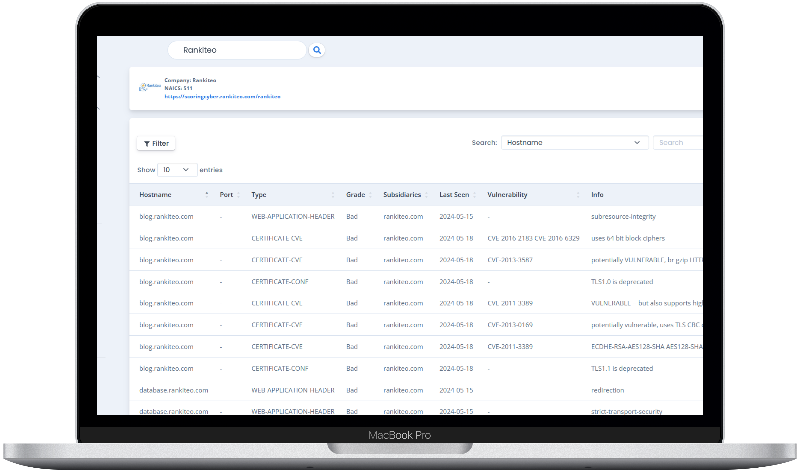
Identify exposed access points, detect misconfigured SSL certificates, and uncover vulnerabilities across the network infrastructure.
Gain visibility into the software components used within an organization to detect vulnerabilities, manage risk, and ensure supply chain security.
Monitor and manage all IT assets and their configurations to ensure accurate, real-time visibility across the company's technology environment.
Leverage real-time insights on active threats, malware campaigns, and emerging vulnerabilities to proactively defend against evolving cyberattacks.


 TTEC
TTEC




 Rapid
Rapid